
Ask Barbara
Buying or selling in Fredericksburg, Stafford, Spotsylvania, or anywhere in the region? Ask me anything about homes, the market, or the process.
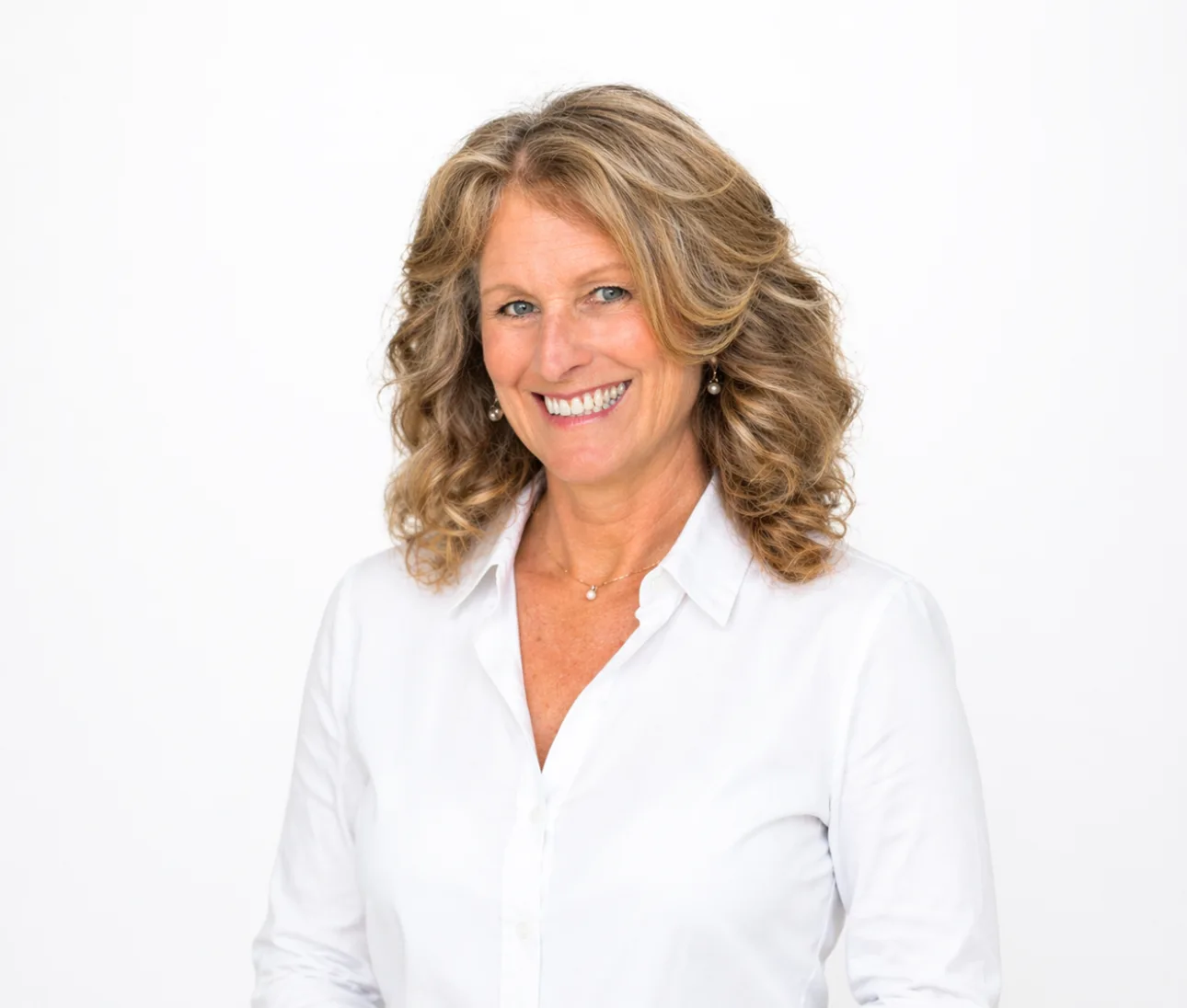
I'm Barbara Jennings, a REALTOR with eXp Realty serving home buyers and sellers in Fredericksburg, Virginia since 2007, including Stafford, Spotsylvania, King George, Caroline, Prince William, Fairfax, Arlington and Alexandria, plus new construction across the region. Whether you're just starting to think about a move or you're under contract, I'm here to answer your questions honestly and clearly.
Browse by Topic
Pick a topic and jump straight to the answers, or check the questions I hear most often below.
Buying a Home
Questions about purchasing property in Fredericksburg, Stafford, Spotsylvania and the surrounding counties, from financing to neighborhoods.
Explore answersSelling Your Home
Tips on pricing, staging, and closing your Fredericksburg-area property sale.
Explore answersHome Values & Property Valuation
How updates, condition, lot size and recent sales affect your home's value.
Explore answersMortgages & Financing
Loan options, current rate considerations, VA, FHA and conventional financing, and trusted local lenders.
Explore answersFirst-Time Buyers
Essential guidance for first-time buyers and common pitfalls to avoid.
Explore answersMoving & Relocation
Relocating to the Fredericksburg area from out of state, logistics, commutes and lifestyle tips.
Explore answersOffers & Negotiation
Writing competitive offers and navigating negotiations in a moving market.
Explore answersInvestment Properties
Long-term rentals, buy-and-hold strategies and 1031 exchanges.
Explore answersNew Construction
Builders, base prices, options and timelines for new homes in Stafford, Spotsylvania, Fredericksburg and beyond.
Explore answersLuxury Homes
What defines a luxury property in the region and how to find one.
Explore answersClosing Process
Closing costs, timelines, remote closings, and what to expect at the closing table.
Explore answersMarket Data & Trends
Current market conditions, pricing trends, and inventory updates for the Fredericksburg region.
Explore answersMarket Updates
Latest market insights and trends from Barbara.
Explore answersWaterfront Properties
Rappahannock River and lakefront homes, shorelines, and water access considerations.
Explore answersCommunities & Lifestyle
Compare Fredericksburg, Stafford, Spotsylvania, King George, Caroline and surrounding areas to find the right community for your lifestyle.
Explore answersLand & Acreage
Acreage, well and septic considerations, and rural properties across the region.
Explore answersFlood Zones & Insurance
Flood zone questions, flood insurance requirements, and what to know for river-area homes.
Explore answersRental Properties
Rental property rules and considerations for owners and tenants in Virginia.
Explore answersInspections & Due Diligence
What to check before buying, including home inspections and radon, well and septic testing.
Explore answersClosing & Transactions
Closing costs, contracts, and what to expect through final signing.
Explore answersTopic Deep Dives
Every topic above leads to real questions, answered clearly and objectively. For the current market picture, Barbara points you to her latest market updates on the blog, where she publishes fresh numbers as they come in.
Buying a Home
What does the home buying process actually look like in Virginia?
The process follows the same general path for most buyers. You start with a mortgage pre-approval so you know your budget and can move quickly. Then you search for homes with a buyer's agent who knows the area. When you find the right one, you write an offer and negotiate price and terms with the seller. Once both sides sign, you have a ratified contract. From there, inspections and due diligence happen on a set timeline, followed by the appraisal. A final walkthrough just before closing confirms the home is in the agreed condition, and then you sign the paperwork and receive the keys. Your agent coordinates each step, so you always know what comes next.
How do I find the right home for me?
Start by separating must-haves from nice-to-haves: the number of beds and baths, commute, yard, budget, and which schools or neighborhoods matter to you. Get pre-approved first so you can act the moment the right home shows up. Tour homes in person, and revisit favorites at different times of day to check traffic, light, and noise. A buyer's agent will also pull comparable sales so you can see whether a price makes sense before you offer.
What should I look for when touring a home?
Tour with your eyes open to the big things: the age and condition of the roof, HVAC, and water heater, any foundation cracks or settling signs, water pressure when you run the taps, and how the layout flows. Notice storage, natural light, the feel of the neighborhood, and how close you'd be to work, school, and errands. An inspection comes later and digs deeper, but your touring eyes catch the big-ticket issues early.
Selling Your Home
How do I price my home to sell?
Price is a blend of recent comparable sales, your home's condition and updates, the lot and location, and current supply and demand in your neighborhood. A professional valuation from a local agent pulls all of that together and gives you a clear, grounded picture of your home's market position. Want a quick number right now? Text HOME VALUE to 540-840-1133 and Barbara will follow up with you directly.
What does staging really involve?
Staging is about helping buyers picture themselves in the home. That usually means decluttering, depersonalizing family photos and personal items, deep cleaning, rearranging furniture to open up space, improving curb appeal, and handling small repairs. Staged homes often photograph and show well, which can help your listing stand out, though results vary by market and price point.
What should I fix before listing?
Focus on what buyers notice and what inspections flag: leaks, roof and HVAC age, worn paint, flooring, dated light fixtures, and landscaping. You do not need to over-improve beyond what's typical for your neighborhood, and you should disclose known issues honestly. Your agent can help you sort which repairs are worth the effort for your particular home.
Home Values & Property Valuation
How is a home's value determined?
A home's value comes from what similar homes nearby have recently sold for, adjusted for differences like size, layout, condition, updates, lot, and location. Broader market conditions matter too. Appraisers and agents use those comparable sales plus adjustments to arrive at a number. An appraisal is a lender-driven opinion of value, while an agent's market analysis is a tool for pricing and offers.
What actually increases a home's value?
Kitchens and baths, added livable square footage, energy efficiency improvements, curb appeal, and consistent maintenance tend to support value. How much any single project returns depends on your market and what buyers there prefer, so it's smart to compare a project's cost with what similar updated homes sell for before you spend.
What's a CMA and why do I need one?
CMA stands for comparative market analysis. It's a real estate agent's estimate of a home's value based on active, pending, and recently sold comparable properties. Sellers use it to price a listing, and buyers use it to shape a fair offer. Barbara prepares a free CMA for homeowners in the Fredericksburg region through the home valuation page.
Mortgages & Financing
Why should I get pre-approved before looking?
Pre-approval does three things: it sets a realistic budget, it makes your offer stronger with sellers, and it speeds up closing because your file is already reviewed. Pre-qualification is a lighter estimate based on what you tell a lender; pre-approval goes further and verifies your documents, like income and assets, so the number is more reliable.
What are VA, FHA and conventional loans?
These are the three most common loan types. VA loans are for eligible veterans and active service members, often with no down payment. FHA loans allow a lower down payment and more credit flexibility. Conventional loans come in a range of down payment options. Each has different requirements, rates, and costs, so the right choice depends on your situation.
Who can help me with financing?
Barbara's trusted lenders can run your exact numbers side by side. Reach out to Mike Sanchez (NMLS 860048) and Ken Melendez (NMLS 2037924) at Rate through the trusted lenders page, where you'll find their contact details.
First-Time Buyers
What do I need to know as a first-time buyer?
Get pre-approved before you shop, and understand your total monthly cost, not just the mortgage payment: principal, interest, property taxes, homeowners insurance, and any HOA fees. Keep your purchase inside a price you're comfortable with, even if you qualify for more, and always complete an inspection before closing.
Are there programs to help first-time buyers in Virginia?
Yes. FHA and VA loans are common starting points, and Virginia offers down payment assistance programs for eligible buyers. Program details, income limits, and requirements change, so a lender who works with first-time buyers daily can confirm what you qualify for today.
What mistakes do first-time buyers make?
The common ones are skipping pre-approval, shopping at the very top of your budget, waiving inspections to win a bid, forgetting to budget for closing costs and moving, and buying before researching the area. Planning for each of those ahead of time keeps the process smooth.
Moving & Relocation
What are the commute options to DC and Northern Virginia?
The main options are driving I-95 north, taking the VRE Fredericksburg Line commuter rail, and using park-and-ride lots. Stafford and Spotsylvania both have commuter lots where residents can carpool or connect to transit. Exact drive and train times vary by destination and time of day, so it's worth testing your route at the time you'd actually travel.
How do I choose where to live in the region?
Compare what matters to you: commute, schools, property taxes, utilities, recreation, dining, and housing styles. Visit the candidate areas at different times of day and on weekends, not just once. And think about resale, because the same features that draw you in will appeal to the next buyer.
What should out-of-state movers know about Virginia?
A few practical things. Virginia has a state income tax, so factor it into your budget if you're moving from a state without one. Property taxes vary by locality, so your bill can differ noticeably from one county to the next. Homes outside city limits often rely on wells and septic, which need testing and maintenance, and local rules differ by county. A local agent can walk you through the area differences quickly.
Offers & Negotiation
How do I make a competitive offer?
Work with your agent to set a strong price based on comparable sales, and decide on earnest money, contingencies, and a closing date that works for both sides. Including a pre-approval letter strengthens your offer. In a competitive market, flexibility on timing or terms can make a difference without overpaying.
What contingencies should I keep?
The common ones are financing, inspection, appraisal, and sometimes a sale-of-current-home contingency. Keeping them protects you: you can back out for a covered reason without losing your earnest money. Removing them can make your offer more attractive, but it also raises your risk, so weigh that carefully with your agent.
Can I negotiate after the inspection?
Yes, that's a normal part of the process. After the inspection report comes back, buyers and sellers commonly negotiate repairs or credits based on what's found. Keep requests reasonable and tied to real issues, and work toward a resolution that keeps the deal together.
Investment Properties
Is a rental property a good investment here?
That depends on your numbers. Look at the purchase price, what similar rentals command in rent today, property taxes, insurance, maintenance, and vacancies, and see whether the cash flow works for your goals. Barbara can share current local rent and sales comparisons, and the math is different for every property.
What is a 1031 exchange?
A 1031 exchange is an IRS provision that lets an investor defer capital gains tax by reinvesting the proceeds from selling one investment property into another like-kind property. It requires a qualified intermediary and strict timelines, so investors usually work with a tax professional or exchange company to handle it correctly.
Should I use a property manager?
A property manager is especially helpful if you live out of the area or prefer a hands-off investment. They handle marketing, tenant screening, rent collection, and maintenance in return for a percentage of the rent. Compare that cost against your own time, skills, and distance from the property.
New Construction
Top 10 Questions New Construction Buyers Ask
Do I need my own agent if I'm buying new construction?
Yes. The builder's salesperson represents the builder. When you bring in your own agent from the first visit, you have someone looking out for your interests in the contract, incentives and upgrades.
Is new construction more expensive than a resale home?
Often per square foot, yes, but you're getting modern systems, a builder warranty and usually a lower maintenance start. The real comparison is total cost, including upgrades and incentives.
What does the base price actually include?
The standard floor plan with the builder's default finishes. Options, upgrades, lot premiums and sometimes site work are priced separately, so ask for a full breakdown.
How long does it take to build a new home here?
Typically 6 to 12 months from contract to closing, depending on the plan, builder and time of year. Get the target completion date and delay terms in writing.
Can I negotiate with a builder?
Yes. Closing cost credits, rate buydowns and included upgrades are commonly on the table, especially on homes already under construction.
Should I use the builder's lender?
It's worth comparing. Builders often offer incentives through their preferred lender, but your own lender can give an outside quote. Get both and compare the full picture.
Do I need my own home inspection on a new build?
Yes, an independent inspection before closing is a smart step. The builder's walkthrough is not the same as an inspection.
What warranty comes with a new home in Virginia?
Virginia law requires builders to cover major structural components for 10 years, and most builders provide 1-year coverage on workmanship and systems.
What are the ongoing costs beyond the mortgage?
Property taxes vary by locality and new homes are often assessed higher, and many communities have an HOA. Ask for the tax estimate and current HOA fees before you sign.
How do I pick the right community and floor plan?
Compare by commute, lot size, schools, amenities and price range, then visit your top choices at different times of day. Pick the plan that fits how you actually live, not just the model home look.
Luxury Homes
What makes a home 'luxury' in this market?
There's no single definition. In this region, luxury homes typically have larger square footage, premium finishes, larger lots or waterfront locations, and higher price points. What counts as luxury in one area can differ from another, so it helps to compare within the specific market where you're looking.
How is selling a luxury home different?
Marketing reach matters more: high-quality photography and video, targeted exposure to qualified buyers, private showings, and higher staging standards. Discretion and buyer qualification also carry more weight at this price point, so the preparation is more tailored than a typical sale.
Closing Process
What happens at closing?
At closing you sign the final documents, the funds are transferred, the title is recorded in your name, and you receive the keys. Before closing day you'll get a closing disclosure and settlement statement that itemize the numbers, so there are no surprises at the table.
What are typical closing costs?
Typical costs include lender fees, title search and title insurance, the appraisal, recording fees, and prepaid property taxes and homeowners insurance. Amounts vary by loan type, price, and locality. Your lender is required to give you an estimate early in the process, and your agent can help you read it.
Can I close remotely?
Yes, in most cases. Virginia permits remote online notarization, so buyers and sellers can sign from another location. Your lender and title company will coordinate it if your transaction qualifies.
Market Data & Trends
How is the market right now?
The market changes month to month and varies by county, so Barbara tracks it with regular written updates rather than a single snapshot. For the current local picture, check the Fredericksburg fall 2026 market update, the Stafford October 2026 market update, and the Spotsylvania October 2026 market update on her blog. She publishes fresh numbers as they come in.
What is days on market telling me?
Days on market, or DOM, measures how long listings take to go under contract. Shorter DOM can signal a seller-friendly market where homes move quickly; longer DOM usually means buyers have more room to negotiate. Look at trends across a neighborhood or county over time instead of one single home.
How do interest rates affect me?
Interest rates directly affect your monthly payment and how much home you can afford at a given price. When rates rise, buying power drops for the same payment, and when they fall, it grows. A lender can run scenarios at current rates so you see the real numbers for your situation.
Market Updates
Where can I see the latest market updates?
Barbara publishes regular market updates on her blog. Recent posts cover Fredericksburg, Stafford, Spotsylvania, Orange, King George, Caroline, Prince William, Fairfax and Arlington, with the newest numbers and trends for each area.
Waterfront Properties
What should I know about Rappahannock Riverfront homes?
Riverfront living comes with extra things to verify: legal and practical river access, the condition of the shoreline, whether the property sits in a flood zone, insurance requirements, and whether a pier is permitted. Ask about shoreline erosion and any maintenance obligations before you commit.
How does flood insurance work for waterfront?
Homes in mapped flood zones typically require flood insurance, commonly through the National Flood Insurance Program or a private carrier. Your zone and the home's elevation are the main drivers of cost. Your lender will confirm what's required, and it's smart to get a quote early.
What about wells and septic on waterfront lots?
Some riverfront lots are on public water and sewer, while others rely on private wells and septic systems. During due diligence, verify the age, condition, and capacity of any well and septic system, and budget for ongoing maintenance. A well water test and septic inspection are standard steps.
Communities & Lifestyle
How do I compare Fredericksburg, Stafford and Spotsylvania?
Compare the facts that shape daily life: commute times, tax rates, utilities, recreation, dining, and typical housing styles. Fredericksburg is the historic city center with walkable downtown options, while Stafford and Spotsylvania offer a mix of suburban and rural settings. Visit each area and sort them by your own priorities.
What about King George, Caroline, Orange and Prince William?
Each offers a different balance of commute, lot size, and price range. King George and Caroline lean rural with larger lots and river access, Orange has a smaller-town countryside feel, and Prince William sits closer to Northern Virginia with more suburban amenities. A quick comparison by your needs narrows the list fast.
How far are things from Fredericksburg?
Fredericksburg is roughly 50 miles from Washington, DC via I-95, and roughly 55 miles from Richmond via I-95. Those are distances, not drive times: actual travel depends heavily on traffic and time of day, so check live traffic before you plan a trip.
Land & Acreage
What do I need to know about buying land?
Before buying raw land, verify zoning, whether a septic system is possible (a perk test), well prospects, utility availability, access and easements, flood zones, and any HOA or covenants that apply. Each county has its own rules, so due diligence is essential before you commit.
Can I build on any parcel?
Not necessarily. Zoning determines what can be built, and soil conditions determine whether a septic system is approved. Some parcels simply can't support a home as-is. Check the county's zoning and soil requirements before you buy.
Flood Zones & Insurance
How do I find my flood zone?
FEMA maintains flood maps, and you can view them through FEMA's Map Service Center or your county's planning office. Your lender will also run a flood determination on the property before closing, which tells you whether it's in a mapped flood zone.
Do I need flood insurance?
If the home is in a mapped flood zone and you have a federally backed loan, flood insurance is typically required. Outside high-risk zones it's optional, but it's still worth considering, especially for properties near rivers and creeks where flooding can happen even outside mapped zones.
What is an elevation certificate?
An elevation certificate documents a home's elevation relative to the base flood elevation for its area. Lenders and insurers use it to determine flood risk and premium cost. A licensed surveyor prepares the certificate, and it can be required for new construction in flood zones.
Rental Properties
What are a landlord's responsibilities in Virginia?
The Virginia Residential Landlord and Tenant Act governs most residential leases in the state. It covers lease terms, security deposits, when repairs must be made, and notice rules for entry and termination. Landlords are generally responsible for keeping the home habitable and following the lease and the law.
What should a tenant know before renting?
Read the full lease before you sign: deposit terms, notice requirements, who handles repairs, and any fees. Document the condition of the home with photos at move-in, and get renters insurance to protect your belongings.
Inspections & Due Diligence
What does a home inspection cover?
A standard home inspection reviews the structure, roof, HVAC, electrical, plumbing, insulation, and major systems, and reports visible issues. It's not a pass/fail test, and it doesn't replace specialized checks like termite, radon, well, or septic inspections.
What extra inspections should I consider?
Common add-ons in Virginia include radon testing, well water testing, septic inspections, a termite or wood-destroying organism inspection, and a sewer line scope on older homes. Your agent and inspector can suggest what makes sense for the specific property and area.
Closing & Transactions
What documents do I need at closing?
Bring a photo ID, proof of homeowners insurance, the funds for closing in the required form, and anything else your lender asks for, like a copy of your contract or recent bank statements. Your lender and title company will give you a checklist well ahead of time.
What is title insurance?
Title insurance protects you against title defects or liens discovered after you buy, like an old unpaid judgment or an error in the chain of title. The buyer's policy is usually a one-time premium paid at closing that covers you for as long as you own the property.
How long does the whole process take?
A financed purchase typically takes about 30 to 45 days from ratified contract to closing. The general timeline includes the offer and acceptance, inspections and due diligence in the first couple of weeks, the appraisal, and then the final loan work and settlement.
Questions I hear most often
Here are the questions buyers and sellers ask me every week, answered honestly. If yours isn't here, just ask.
How much home can I afford?
A mortgage pre-approval is the best place to start. A lender sets your budget based on your income, debts, down payment, and current interest rates, so you get a number you can count on. Mike Sanchez and Ken Melendez at Rate are preferred local lenders who can run your exact numbers.
Should I rent or buy in the Fredericksburg area?
It depends on your timeline, finances, and plans. Buying can help you build equity over time, while renting offers more flexibility if you may move soon. A quick comparison of your specific numbers, including purchase price, rent, taxes, and upkeep, helps you see which path fits your situation.
What does a buyer's agent actually do?
A buyer's agent searches listings, arranges tours, negotiates price and terms, coordinates inspections and due diligence, and guides you through closing. In most cases the seller pays the buyer agent's commission, so you get that representation without an extra fee out of pocket.
What should I do before selling my home?
Declutter and make minor repairs, get a professional valuation, order any needed disclosures, and prepare for professional photography. A little preparation upfront helps your home show its best from the first photo to the final walkthrough.
What is the 100-Point Marketing Plan?
It's Barbara's proven marketing system for sellers, covering pricing strategy, professional photography and video, online syndication, open houses, and targeted AI-driven marketing. Read more on how it works in the full breakdown of the 100-Point Marketing Plan.
How does new construction work here?
Builders set base prices and options, from floor plan to finishes. Working with your own agent from the start helps you understand contracts, incentives, and upgrades before you visit model homes. Barbara represents buyers in new construction across Stafford, Spotsylvania, Fredericksburg, and surrounding counties.
What are the first-time buyer options?
FHA, VA, and conventional loans are the most common routes, and Virginia offers down payment assistance programs for eligible buyers. A lender can confirm current eligibility requirements and help you compare programs side by side.
How long does it take to close?
A financed purchase typically closes in 30 to 45 days, though timelines vary with loan type and contract terms. Cash sales can close faster, sometimes in a few weeks.
Ask me anything
No question is too small. Text me, book a call, or drop a message and I'll get back to you.
Text or Call Barbara
The fastest way to reach me. Call or text your question and I'll get back to you.
Text or Call 540-840-1133Book a Call
Pick a time that works and we'll talk through your goals on a free consultation.
Book a ConsultationSend a Message
Drop a message with your question or situation and I'll reply with straight answers.
Send a MessageFree guides
Start with one of these free resources while you decide what to ask.
Buyer's Guide
Everything buyers need to know about the process, from pre-approval to closing.
Read the GuideSeller's Guide
A step-by-step look at selling your home, from prep and pricing to the final walkthrough.
Read the GuideHome Value Estimate
Get a personalized valuation of your home with a no-obligation market analysis.
Get My EstimateEqual Housing Opportunity. Barbara Jennings, REALTOR, eXp Realty. VA License 0225179074.