How Do I Winterize My Home in Virginia?

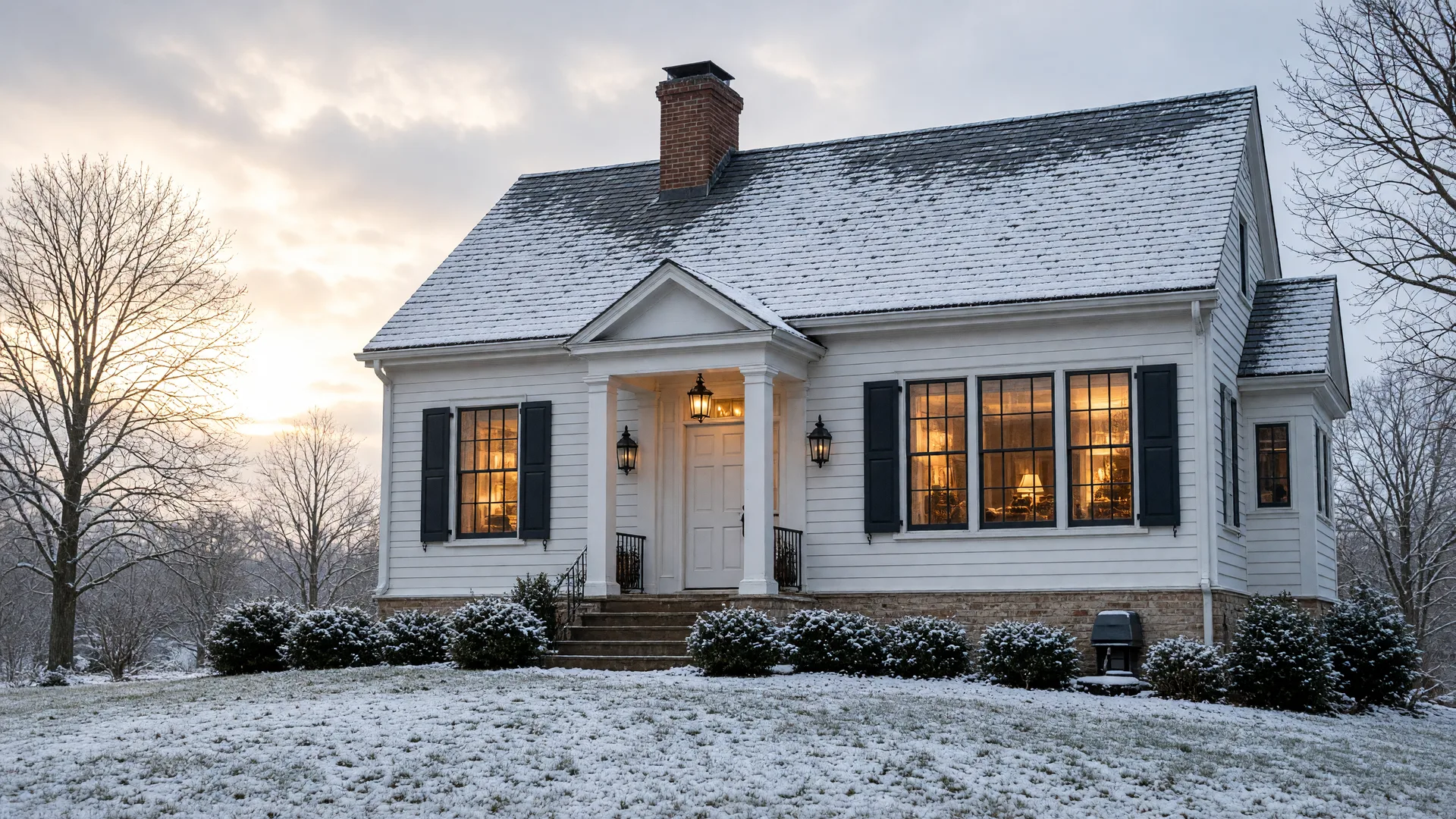
Winterizing a Virginia home means doing the seasonal work that keeps freezing temperatures, ice, and winter storms from causing damage. The essentials are protecting pipes from freezing, servicing the heating system, cleaning gutters and downspouts, sealing drafts, shutting down and draining outdoor faucets, and having a winter storm plan for your household. Homes in Fredericksburg, Stafford, and Spotsylvania can face hard freezes and winter weather every year, so a weekend of preparation before the coldest months is time well spent. You do not need to be handy: most items are simple checks, and a professional can handle the rest.
As a REALTOR with eXp Realty serving the Fredericksburg region for more than 20 years, I have walked through many homes the week after a freeze, and the pattern is always the same: the damage was avoidable, and the fix was a checklist. This guide covers the practical winterization work for Virginia homes, with general references from Ready.gov, the Department of Energy, and the American Red Cross listed at the end. It is not an exhaustive contractor list, but it is the work that protects the biggest risk areas.
1. Protect the Pipes
Frozen pipes are the most expensive winter surprise a homeowner can find in the spring, because a burst pipe leaks inside the walls. Start by knowing where your main water shutoff valve is and making sure everyone in the household knows how to turn it off. Insulate exposed pipes in unheated spaces such as attics, crawl spaces, garages, and basements, and seal any gaps where cold air reaches pipes near exterior walls.
During a hard freeze, take easy precautions: let a trickle of water run from faucets served by vulnerable pipes, and open cabinet doors beneath sinks so warm air reaches the plumbing. Disconnect and drain garden hoses, shut off the water to exterior faucets from the inside valve where one exists, and drain the lines. The Ready.gov winter weather guidance covers these pipe protections directly.
2. Tune Up the Heating System
Have your furnace or heat pump serviced before you need it, and change the filter on a regular schedule through the season. A system that has not run since spring can reveal surprises on the first cold night, and service pros book up fast when a cold snap hits. Test the thermostat, replace the batteries in smoke and carbon monoxide detectors, and confirm the detectors are working before you close up the house for the season.
If you use a fireplace or wood stove, have the chimney inspected and cleaned by a professional, and never run generators, grills, or space heaters that burn fuel indoors. A heating system that runs efficiently also keeps your energy bills lower through the coldest months.
3. Clean Gutters and Downspouts
Clogged gutters are a winter problem in disguise. When leaves plug the downspouts, melting snow and rain have nowhere to go, and water can back up under the roofline and freeze into ice dams along the eaves. Before winter, clean the gutters, confirm downspouts drain several feet away from the foundation, and check that splash guards and gutter sections are secure.
After a snow or ice event, watch the roofline for ice buildup and keep an eye on the ground around the foundation as the melt comes. Water that drains away from the house in winter protects both the roof and the basement.
4. Seal Drafts and Check Insulation
Drafts make a house feel colder and run up the heating bill. Walk the house on a breezy day and feel around windows, doors, and electrical outlets on exterior walls. Weatherstripping on doors, caulking gaps around windows, and draft stoppers under doors are inexpensive fixes that pay for themselves in a season.
Check the insulation level in the attic and around the attic access hatch, because heat that escapes through the ceiling is money out the roof. The Department of Energy offers five practical winter energy tips, including sealing and weatherizing windows and setting your thermostat efficiently, that fit any Virginia home.
5. Outdoor Faucets, Hoses, and Yard Gear
Outdoor plumbing takes the first hit of a freeze. Disconnect all hoses, drain them, and store them inside. Close the shutoff valve that feeds exterior faucets where one exists, open the outdoor faucet to drain the line, and leave it slightly open through winter. Consider insulated faucet covers on spigots that cannot be shut off from inside.
Bring in or cover anything that cannot survive freezing: potted plants, garden hoses, and yard equipment. Drain mowers and other gas equipment or store them as the manufacturer recommends, cover outdoor furniture, and move grills and propane tanks according to their safety instructions. A tidy, drained yard is also a safer yard to walk through in snow.
6. Prepare for Winter Storms and Power Outages
Virginia winters bring ice storms and power outages, and the homes that ride them out best are the ones with a plan. Build or restock an emergency kit: flashlights, batteries, a first-aid kit, bottled water, non-perishable food, blankets, and a way to charge phones. Never run a generator indoors or in a garage, and keep a carbon monoxide detector operating during any outage.
Know your household's plan for heat if the power goes out, including a safe space to gather and extra blankets, and check on neighbors who are older or have young children. The American Red Cross winter storm preparedness guidance has a complete checklist for homes and families.
7. Keep a Seasonal Eye on the Roof and Walkways
After storms, clear snow from walkways, steps, and the driveway promptly, using the method that is safe for your surfaces. De-ice carefully and keep a spotter's eye on roof edges and low-hanging branches that could drop under ice weight. If you plan to travel, have someone check the home periodically and keep the heat at a safe setting.
For homeowners thinking about selling in the Fredericksburg, Stafford, or Spotsylvania market, winterization also protects your showing calendar: a warm, dry, well-lit home shows better in January than one with a drafty door and a leaky faucet. Keeping up the seasonal checklist means the home is always ready for a visit, and the maintenance records look good in a buyer's eyes.
Need a hand planning home maintenance before you sell or buy? Call Barbara Jennings at eXp Realty at (540) 840-1133 or get a free home valuation at barbara-jennings.com/home-valuation/. I can connect you with trusted local contractors and help you understand what a winter-ready (or winter-weary) home is worth in this market.
Sources
- Ready.gov: Winter Weather, Before, During, and After: official guidance on protecting pipes, heating equipment, and your home during snowstorms and extreme cold.
- U.S. Department of Energy: 5 Tips to Help You Save on Energy Bills this Winter: sealing and weatherizing windows, thermostat settings, and other winter energy steps.
- American Red Cross: Winter Storm Preparedness: home protection steps including insulating pipes, maintaining heating equipment, and preparing for power outages.
This article offers general seasonal maintenance guidance for informational purposes and does not quote specific figures. Follow manufacturer instructions for your equipment and consult a licensed professional for repairs. Information deemed reliable but not guaranteed. This material does not constitute professional advice. Equal Housing Opportunity.
Winter-Ready Before You List or Buy
Whether you are selling a home this season or buying one before spring, Barbara Jennings at eXp Realty can help you read a property's winter condition and plan ahead. Call (540) 840-1133 or request your free home valuation to see where your home stands in the Fredericksburg, Stafford, or Spotsylvania market.
Get a Free Home ValuationRelated Resources
Download the Full Guide
Get the complete guide, "How to Winterize Your Home", free on the Guides and Resources page. It is a quick form, and the full guide is yours right away, with no obligation.
Get the Free Guide