
Downsizing in Virginia: A Complete Guide for Baby Boomers
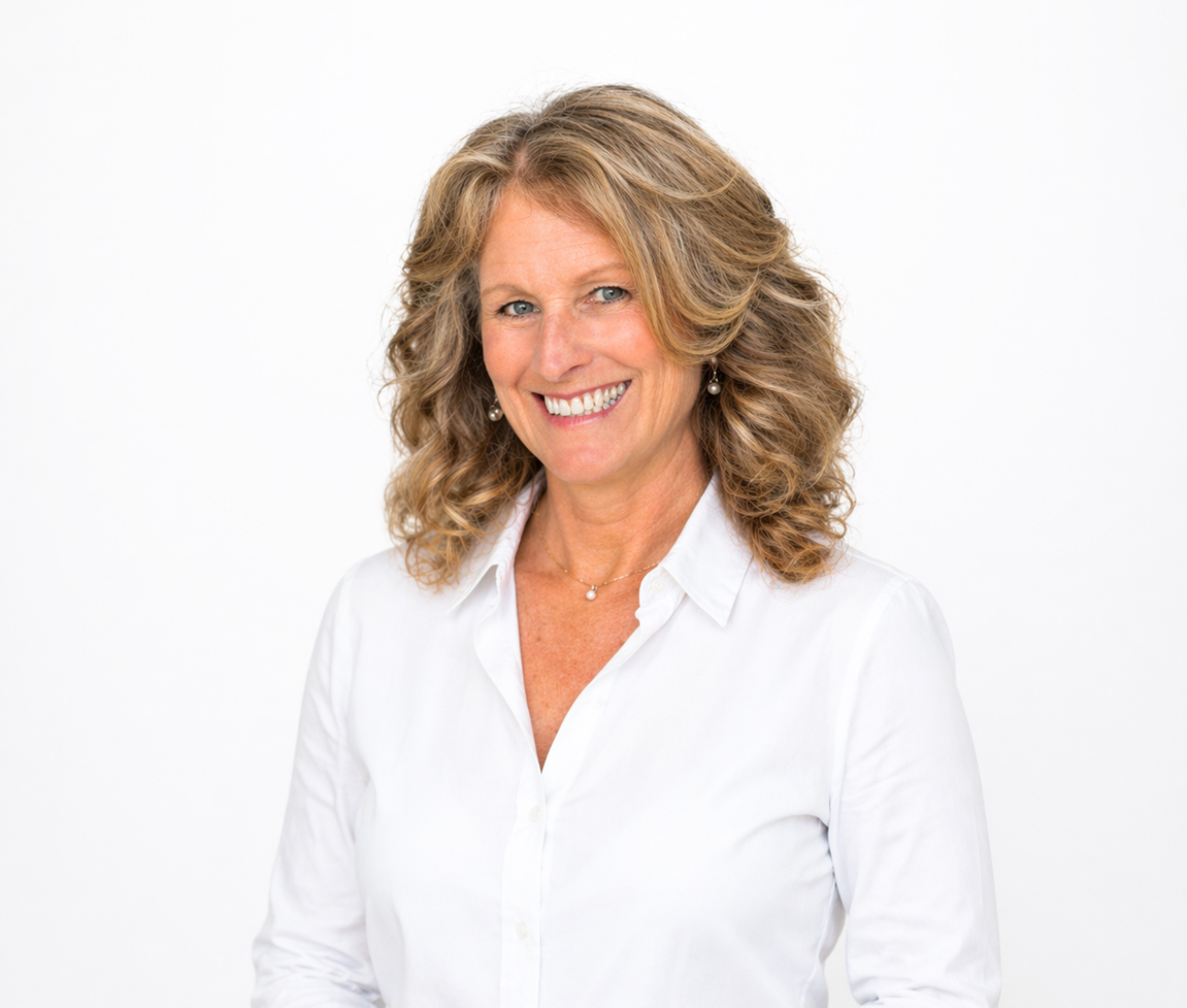
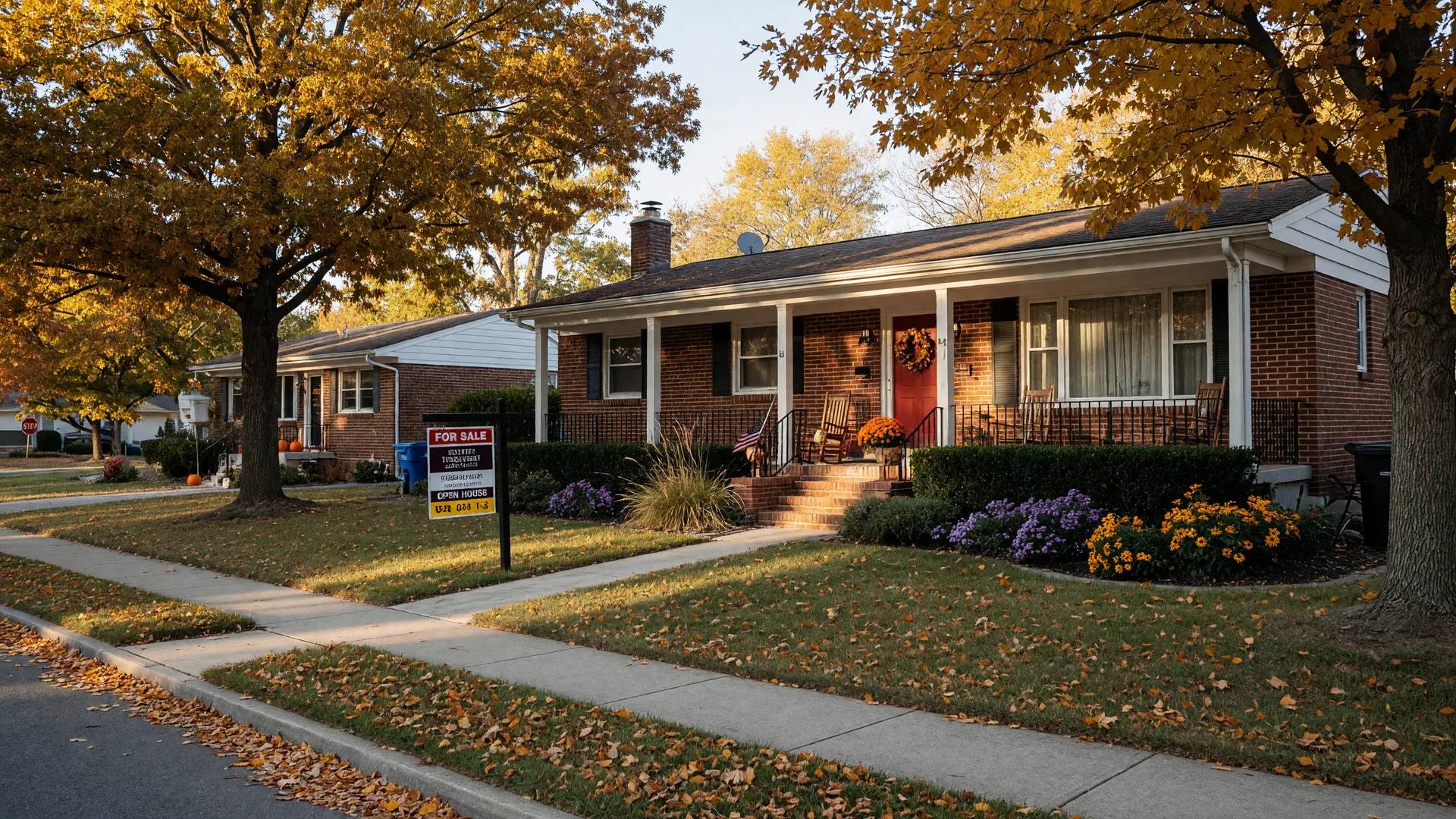
Where to move when you are downsizing. Barbara Jennings, REALTOR, eXp Realty.
Figuring out where to move is one of the biggest parts of downsizing, and I know it can feel like a lot to sort through. I would love to help you find the spot that truly fits how you want to live, whether that is a low-maintenance condo, a ranch home, or a welcoming 55+ community.
Reach out any time for a friendly, no-pressure conversation, and be sure to browse my guides and resources for more help along the way.
If you are a baby boomer living in a spacious family home in Fredericksburg, Stafford, Spotsylvania, or anywhere across Northern Virginia, you have probably asked yourself the same question: is it time to downsize?
The kids have moved out. The stairs feel steeper than they used to. You are spending more time maintaining a house than actually enjoying it. And the equity sitting in your home could be the key to a more financially free and lifestyle-rich next chapter.
I'm Barbara Jennings, a trusted real estate advisor with eXp Realty serving Fredericksburg, Stafford, Spotsylvania, and all of Northern and Central Virginia. Over two decades in this business, I have guided dozens of baby boomers through the downsizing process. I have seen the relief and excitement that comes when someone finally trades a house that no longer fits for a home that truly matches how they want to live.
This guide covers everything you need to know about downsizing in Virginia: the why, when, where, and how. Whether you are considering a 55+ community, a low-maintenance condo, a ranch home on a quiet lot, or simply want to understand your options, you will find practical, honest advice here.
Why Downsize? Common Motivations
Every downsizer has their own story, but certain themes come up again and again with my clients across the Fredericksburg region. Here are the most common reasons baby boomers choose to downsize in Virginia.
The Empty Nest
The bedrooms that once held children, homework desks, and sleepover guests now sit empty most of the year. A four-bedroom colonial or split-level can feel cavernous when it is just one or two people rattling around inside. Many of my clients tell me they use only 30 to 40 percent of their home's square footage on a regular basis. The rest collects dust, requires cleaning, and costs money to heat and cool.
Maintenance Burden
Let's be honest: a larger home means more work. Gutters to clean, lawns to mow, roofs to inspect, mulch to spread, snow to shovel. At a certain point, the Saturday morning chore list stops feeling virtuous and starts feeling like a second job. Downsizing to a condo, townhome, or smaller home with a homeowner's association that handles exterior maintenance frees up your weekends for things you actually want to do.
Financial Freedom
The equity in your current home is likely the single largest financial asset you have. Moving to a smaller, less expensive property can unlock hundreds of thousands of dollars that can be redirected toward retirement savings, travel, healthcare, or helping children and grandchildren. Lower property taxes, lower utility bills, and lower insurance costs add up to meaningful monthly savings.
Lifestyle Change
Retirement or semi-retirement brings new priorities. Maybe you want to travel for months at a time without worrying about an empty house. Maybe you want to live closer to downtown Fredericksburg's restaurants and cultural events, or near the Rappahannock River for daily walks. Downsizing lets you choose a home that fits the lifestyle you want, not the one your family stage required.
Health and Mobility Considerations
Stairs are the number one feature that drives downsizing decisions among my clients. A two-story colonial with bedrooms upstairs and laundry in the basement becomes a daily obstacle course. Single-level living, wider doorways, step-free entries, and walk-in showers are not just conveniences; they are features that allow you to age in place comfortably and safely.
Unlocking Equity
Homes in the Fredericksburg and Northern Virginia area have appreciated significantly over the past decade. The median home price in the Fredericksburg region now sits around $483,000. If you bought your home 15 or 20 years ago, you are likely sitting on substantial equity. Downsizing allows you to realize those gains tax-efficiently (more on that later) and put that capital to work for your future.
When Is the Right Time to Downsize?
There is no single "right" age or moment to downsize. But I have noticed several clear signs that tell my clients it is time to start the conversation.
You have too much space. If entire rooms in your home go unused for weeks at a time, you are paying to heat, cool, insure, and maintain square footage you do not need.
Stairs are becoming difficult. Carrying laundry up and down, bringing groceries in from the garage, or simply making a trip to the second floor for a bathroom break becomes a calculation rather than an automatic action.
Maintenance costs feel out of control. The roof, HVAC, water heater, and appliances all age together. When you start dreading which system will fail next, downsizing to newer, smaller, or professionally managed housing starts making financial sense.
You want to travel more. A large home with yards, gardens, and multiple systems to monitor does not sit well empty for weeks at a time. A low-maintenance condo or townhome with exterior care included gives you the freedom to lock the door and go.
You want to simplify. There is a growing movement of baby boomers who actively choose less. Less stuff to manage, less square footage to clean, less financial overhead, less stress. If simplicity sounds appealing, downsizing may be right for you.
Financial Benefits of Downsizing
The financial case for downsizing is often the most compelling. Here is what that looks like in real numbers for homeowners across Northern and Central Virginia.
Freeing Up Equity
If your current home is worth $500,000 and you move to a condo or townhome in the $300,000 to $375,000 range, you could walk away from closing with $100,000 or more in cash, depending on your existing mortgage balance. That is money that can fund retirement, pay off debt, or be invested for growth. Even after transaction costs (agent commissions, closing costs, moving expenses), the net gain is often substantial.
Lower Property Taxes
Virginia property taxes vary by locality. In Fredericksburg, the real estate tax rate is approximately $0.84 per $100 of assessed value. Spotsylvania County is around $0.76, while Stafford County is about $0.87. A home valued at $475,000 in Fredericksburg carries an annual tax bill of roughly $3,990. A condo valued at $325,000 in the same city would carry about $2,730. That is over $1,200 in annual savings right off the top, year after year.
Reduced Maintenance and Utility Costs
A smaller home means lower electricity, gas, and water bills. It also means fewer repairs and replacements. A new roof on a 2,000-square-foot home costs significantly less than a roof on a 3,500-square-foot colonial. And if you move into a condo or attached home with an HOA that covers exterior maintenance, landscaping, and snow removal, those predictable monthly fees replace the unpredictable expense of home maintenance.
Retirement Funding
Many baby boomers approach retirement with most of their net worth tied up in their home. Downsizing converts that illiquid asset into cash that can generate income, fund healthcare costs, or simply provide a comfortable retirement. With proper planning, the proceeds from downsizing can supplement Social Security, pensions, and investment income in a meaningful way.
Emotional and Lifestyle Benefits of Downsizing
The emotional benefits of downsizing are harder to quantify but often more impactful than the financial ones. Here is what my clients tell me they love most about their decision.
Less clutter, less stress. Downsizing forces you to evaluate what matters. The process of sorting, donating, and letting go can be liberating. Clients consistently tell me they feel lighter and freer once they are living with only what they truly need and love.
Easier maintenance. A smaller home with modern systems and professional exterior maintenance means weekends are for hobbies, not housework. One client told me she saved three full weekends a month after moving from a five-bedroom colonial in Stafford to a ranch home in a Spotsylvania active adult community.
More time for what matters. Without the weight of a large home and yard, many downsizers rediscover hobbies, travel more frequently, spend more time with grandchildren, join social clubs, or volunteer in their community.
New social opportunities. 55+ communities and active adult neighborhoods are designed for connection. Clubhouses, fitness centers, group activities, and planned events make it easy to meet people. Many of my clients who moved into communities like Celebrate Virginia North or Holleybrooke have built rich new social circles.
Closer to amenities. Downsizing often means relocating closer to shopping, dining, healthcare, and entertainment. Downtown Fredericksburg, central Stafford, and the Spotsylvania Towne Centre area all offer walkable or short-drive access to everyday conveniences.
Where to Downsize in Virginia
One of the best things about our region is the variety of downsizing options available. Whether you want to stay in the same neighborhood, move closer to amenities, or relocate to a warmer climate within Virginia, there is a community that fits your needs.
Fredericksburg
Fredericksburg's historic downtown offers condos, townhomes, and carriage houses within walking distance of shops, restaurants, the VRE train station, and the Rappahannock River. The city also features several 55+ and active adult communities including the popular Afton Villas and other single-level living options. Fredericksburg is ideal for downsizers who want walkability, culture, and access to I-95 and the VRE.
Stafford County
Stafford offers a mix of suburban and semi-rural downsizing options. Communities like Celebrate Virginia North and Embrey Mill feature townhomes, condos, and single-family homes on smaller lots. Stafford's proximity to Quantico Marine Corps Base and the VRE stations in Brooke and Leeland makes it popular with those who still commute part-time to Washington DC or who want access to city amenities without city prices.
Spotsylvania County
Spotsylvania has become a hub for downsizers thanks to its mix of ranch homes, townhomes, and active adult communities. Holleybrooke offers low-maintenance single-level living, while the area around Spotsylvania Towne Centre provides access to shopping, dining, and medical facilities. For those who want more space, the rural parts of Spotsylvania offer ranches and ramblers on one to five acres at prices well below Northern Virginia.
Orange County
Orange County, home to Virginia's wine country and James Madison's Montpelier, offers a quiet, rural downsizing option. Ranch homes on acreage, historic properties, and a charming downtown with farm-to-table dining make it appealing for those who want peaceful living within an hour of Charlottesville and Fredericksburg.
Culpeper County
Culpeper's revitalized downtown, Blue Ridge Mountain views, and growing community make it an attractive option for downsizers seeking small-town charm. The area offers ranch-style homes, condos near downtown, and rural properties for those who want land without the Northern Virginia price tag.
King George and Caroline Counties
For downsizers seeking riverfront living or affordable rural acreage, King George and Caroline counties offer some of the best value in our region. Waterfront homes on the Potomac and Rappahannock rivers, affordable ranch homes, and quiet country living attract those who prioritize nature and space over urban amenities.
Fairfax, Arlington, and Alexandria
For downsizers who want to stay in the urban core of Northern Virginia, Fairfax County, Arlington, and Alexandria offer luxury condos, high-rise living, and active adult communities with Metro access. Options range from high-end condos in Tysons Corner and Reston to historic townhomes in Old Town Alexandria. While pricier, these areas offer unparalleled walkability, cultural amenities, and access to world-class healthcare.

Types of Downsizing Options
One size does not fit all when it comes to downsizing. Here are the most common housing types my clients consider in our region.
Single-Family Ranch Homes and Ramblers
Ranch homes (also called ramblers) are single-story homes with all living spaces on one level. They are the gold standard for downsizers who want to avoid stairs entirely. Many newer ranch communities offer open floor plans, master suites with walk-in closets, and attached garages. Spotsylvania and Stafford have several ranch-style subdivisions, and custom ranch homes are available on acreage in Orange, Culpeper, Caroline, and King George.
Condominiums
Condos offer the ultimate in low-maintenance living. An HOA handles exterior maintenance, landscaping, snow removal, and sometimes even utilities. Condos in Fredericksburg range from affordable one-bedroom units near downtown to luxury high-rise condos in Fairfax County and Arlington. For many downsizers, condos provide the perfect balance of convenience, security, and community.
Townhomes
Townhomes offer more space than condos while still being lower-maintenance than detached homes. Many newer townhome communities in Stafford and Spotsylvania feature attached garages, private outdoor spaces, and HOA-maintained common areas. Townhomes are a good middle-ground for downsizers who want some outdoor space without the burden of a full yard.
55+ Active Adult Communities
Age-restricted communities (also called active adult or retirement communities) require at least one resident to be 55 or older. These communities are designed specifically for the lifestyle and needs of older adults. Features often include single-level homes, community clubhouses, fitness centers, pools, tennis and pickleball courts, walking trails, and organized social activities. Our region has several excellent options, including active adult sections in larger developments and dedicated 55+ communities in Fredericksburg, Stafford, and Spotsylvania.
Continuing Care Retirement Communities (CCRCs)
CCRCs offer a continuum of care from independent living through assisted living and skilled nursing, all on one campus. These are for downsizers who want to plan for future healthcare needs while maintaining an independent lifestyle. Virginia has several highly rated CCRCs, though they typically require a significant entrance fee plus monthly charges. These are worth considering for those who want true life-care planning.
Manufactured and Modular Homes
Modern manufactured and modular homes in 55+ communities offer an affordable downsizing option. These homes are built to HUD standards, often feature open floor plans and energy-efficient systems, and are placed in community settings with shared amenities. They are worth considering for downsizers on a tighter budget or those who prioritize affordability.
Step-by-Step Downsizing Guide
The downsizing process can feel overwhelming, but breaking it into manageable steps makes it achievable. Here is the framework I use with my clients.
Step 1: Start Decluttering Early
Begin the decluttering process three to six months before you plan to move. Work through your home one room at a time. Sort belongings into four categories: keep, donate, sell, and discard. Be honest about what you actually use and love. Many of my clients find that working with a professional organizer or downsizing specialist helps them make faster, more confident decisions.
Step 2: Define Your Priorities
Before you start looking at homes, get clear on what matters most. Do you want single-level living? Walkability to downtown? Access to a community pool and clubhouse? Proximity to grandchildren or medical facilities? Make a list of must-haves versus nice-to-haves. This will guide every decision that follows.
Step 3: Work With a Real Estate Agent
Choosing the right real estate agent is perhaps the most important decision in the downsizing process. You need someone who understands the local market, has experience with downsizing transitions, and can coordinate the sale of your current home with the purchase of your next one. I have guided dozens of families through this exact process across Fredericksburg, Stafford, Spotsylvania, and all of Northern Virginia.
Step 4: Understand Your Financial Picture
Work with your agent and a financial advisor to calculate your current home's value, your outstanding mortgage balance, expected transaction costs, and the amount of equity you will have available. Then look at the price range for your target downsizing home type. This gives you a realistic picture of what you can afford and how much cash you can free up.
Step 5: Time the Market
The best time to sell is typically spring through early summer, when buyer demand is highest. But personal timing matters too. If you are coordinating with a retirement date, a lease on a rental, or a grandchild's school schedule, those factors may dictate the timing. Your agent can help you navigate the seasonal market dynamics while respecting your personal timeline.
Step 6: Find Your Next Home
Once you have defined your priorities, secured financing (if needed), and gotten your current home ready for market, start looking at your downsizing options. Visit communities, tour model homes, and talk to neighbors. Take your time. This is not just a purchase; it is a lifestyle decision. I encourage my clients to visit potential communities at different times of day and on weekends to get a real feel for the neighborhood.
Step 7: Manage the Transition
The period between selling your current home and closing on your new one can be stressful. Some clients choose to sell first and rent temporarily while they find the right downsizing property. Others prefer to buy first and sell after. A skilled agent can help you navigate contingencies, bridge financing, and timing so you are never homeless or carrying two mortgages.
Common Mistakes to Avoid
After guiding so many families through this process, I have seen the same mistakes come up again and again. Here is what to watch out for.
Waiting too long. The most common regret I hear from downsizers is that they wish they had done it sooner. The longer you wait, the harder the physical and emotional process becomes. If you are thinking about it, start planning now.
Not planning financially. Downsizing involves transaction costs, moving expenses, potential renovation or furnishing costs, and HOA fees. Make sure you have a complete picture before you commit.
Emotional attachment to items. Sentimentality can be paralyzing. But every item you take to your new home costs you space and money. Be strategic about what you keep. Take photographs of sentimental items you cannot keep. The memories live in you, not the object.
Not considering future needs. It is easy to focus on today and forget about tomorrow. Choose a home that will work for you in five, ten, or fifteen years. Think about aging in place: wider doorways, step-free entries, a bedroom and full bath on the main level, and proximity to healthcare.
Skipping the real estate agent. Some downsizers think they can save money by selling or buying on their own. In reality, an experienced agent who knows the local market will almost always net you more money and save you significant time and stress. The commission is an investment in your outcome, not an expense.
Moving too far from support networks. A great deal on a home in a distant county is not a great deal if it takes you two hours to visit your grandchildren or you lose access to your trusted doctors and social connections.
Tax Implications of Downsizing
One of the most important financial considerations in downsizing is the tax treatment of your home sale. Here is what Virginia homeowners need to know.
Capital Gains Exclusion
The IRS allows single homeowners to exclude up to $250,000 of capital gains on the sale of a primary residence, and married couples filing jointly to exclude up to $500,000. To qualify, you must have owned and lived in the home for at least two of the five years before the sale. This exclusion can be used once every two years. For most downsizers in our region, this means the profit from selling a long-held home is entirely tax-free.
Property Tax Considerations
Virginia does not have a statewide property tax. Instead, each locality sets its own rate. When you move to a smaller or differently valued home, your property tax bill will change accordingly. Some Virginia localities offer property tax relief programs for seniors, including exemptions or deferrals based on age and income. Fredericksburg, Stafford, and Spotsylvania all have programs worth investigating.
Virginia Transfer Taxes
Virginia imposes a grantor's tax (also called a recordation tax) on real estate transfers. The rate varies by locality but typically ranges from $0.25 to $0.50 per $100 of the sale price. While these costs are relatively small compared to the overall transaction, they are worth factoring into your financial planning.
Consult a Tax Professional
Tax situations vary widely based on your specific circumstances, including your cost basis in the home, any capital improvements you have made, and whether you have used the capital gains exclusion before. I always recommend consulting a qualified tax advisor or CPA as part of your downsizing planning team.
Frequently Asked Questions About Downsizing
What is downsizing in real estate?
Downsizing is the process of moving from a larger home to a smaller one that better fits your current lifestyle and needs. For baby boomers, this typically means moving from a multi-bedroom family home to a condo, townhome, ranch house, or active adult community. The goal is to reduce living costs, simplify maintenance, free up equity, and create a home environment that supports your priorities in this next stage of life.
When should baby boomers consider downsizing?
There is no universal age, but common indicators include: the kids have moved out and rooms sit empty, stairs have become difficult or uncomfortable, home maintenance feels overwhelming or costly, you want to travel without worrying about your property, you are spending more on utilities and upkeep than you would in a smaller home, or you want to free up home equity for retirement. If any of these sound familiar, it is worth exploring your options.
How much money can I save by downsizing?
Savings vary based on your current home value, target home price, and location. In the Fredericksburg area, a typical downsizer moving from a $475,000 single-family home to a $325,000 condo can free up $100,000 or more in equity after closing costs. Monthly savings can include $100 to $200 in lower property taxes, $50 to $150 in lower utility bills, and reduced maintenance and insurance costs. Many of my clients see total annual savings of $5,000 to $15,000 or more.
What are the best downsizing options for retirees in Virginia?
Virginia offers a wide range of retirement and downsizing options. In the Fredericksburg region, popular choices include single-level ranch homes, low-maintenance condos and townhomes, 55+ active adult communities with clubhouses and social activities, and continuing care retirement communities for those who want a continuum of care. Fredericksburg, Stafford, and Spotsylvania each offer multiple communities designed for active adults, while Orange, Culpeper, and Caroline offer more rural options with larger lots and lower prices.
Should I sell my home before buying a smaller one?
This depends on your financial situation, market conditions, and risk tolerance. Selling first gives you a clear budget and eliminates the risk of carrying two mortgages. However, it means you may need temporary housing. Buying first lets you move directly into your new home but requires more financial flexibility. A common middle ground is to list your home with a longer closing period (60 to 90 days) while you actively search for your next home. Your real estate agent can help you navigate the best approach for your situation.
What is a 55+ community?
A 55+ community is an age-restricted housing development where at least one resident per home must be 55 years of age or older. These communities are designed for active adults and typically offer single-level homes, low-maintenance living, shared amenities like clubhouses, pools, and fitness centers, and organized social activities. They are not nursing homes or assisted living facilities; they are traditional homeownership communities with an age restriction. Popular examples in our region include sections of larger master-planned communities and dedicated 55+ neighborhoods.
How do I decide what to keep and what to let go?
Start with a room-by-room inventory. Ask yourself: have I used this in the past year? Does it have genuine sentimental value or just habit? Will it fit in my new, smaller space? A good rule of thumb is if you have not used, worn, or looked at something in two years, it is time to let it go. For sentimental items you cannot keep, take photographs and create a digital memory book. Many of my clients find that working with a professional organizer or downsizing specialist speeds up the process and reduces emotional stress significantly.
What are the tax benefits of downsizing?
The primary tax benefit of downsizing is the capital gains exclusion. Married couples can exclude up to $500,000 of profit from the sale of their primary residence (single filers up to $250,000) if they have lived in the home for at least two of the past five years. For most Virginia homeowners, this means the gains from downsizing are tax-free. Additionally, moving to a lower-priced home reduces your annual property tax burden. Some Virginia localities also offer senior property tax relief programs. Always consult a CPA or tax advisor for your specific situation.
Can I use the equity from my home to fund retirement?
Absolutely. For many baby boomers, home equity is their largest financial asset. By downsizing, you can convert that illiquid equity into cash that can supplement retirement income, fund healthcare costs, pay off debt, or be invested for growth. A common strategy is to sell the family home, buy a smaller property for cash or with a small mortgage, and invest the remaining equity in a diversified portfolio that generates ongoing income. A financial advisor can help you model how much equity to deploy and how.
What areas near Fredericksburg VA are good for downsizing?
The Fredericksburg region offers excellent downsizing options across multiple areas. Downtown Fredericksburg is ideal for walkability and urban amenities. Stafford County offers suburban comfort near VRE stations and Quantico. Spotsylvania County has active adult communities and ranch homes near shopping and medical facilities. Orange and Culpeper counties provide rural charm and lower prices. King George and Caroline counties offer waterfront and acreage options. And for those who want to stay connected to the DC metro area, Fairfax County, Arlington, and Alexandria offer luxury condos and high-rise living with Metro access.
How long does the downsizing process typically take?
The full downsizing process from initial planning to moving in typically takes three to six months. Decluttering and preparing your current home for sale usually takes four to eight weeks. Finding the right downsizing property can take anywhere from a few weeks to a few months depending on inventory and your criteria. The actual sale and purchase transaction takes about 30 to 60 days from accepted offer to closing. I recommend giving yourself at least six months from the decision to downsize to your target move date to allow for a smooth, low-stress process.
Should I hire a real estate agent for downsizing?
Yes, absolutely. A knowledgeable local agent who specializes in downsizing brings critical expertise: accurate pricing of your current home, access to the full inventory of downsizing options, knowledge of 55+ communities and their unique features, coordination of the sale and purchase to avoid gaps or overlapping mortgages, and trusted vendor referrals for moving, decluttering, and renovations. Most importantly, an experienced agent guides you through the emotional and logistical complexity of leaving a home filled with decades of memories. I have helped dozens of families through this exact journey across the Fredericksburg region.
Ready to Start Your Downsizing Journey?
Downsizing is one of the most significant financial and lifestyle decisions you will make in your retirement years. You do not have to navigate it alone. I have helped dozens of families across Fredericksburg, Stafford, Spotsylvania, and all of Northern Virginia make this transition smoothly and confidently.
Let's start with a no-obligation conversation about your goals, your home's value, and what your next chapter could look like.