What Is Probate and How Does It Affect a Home Sale in Virginia?

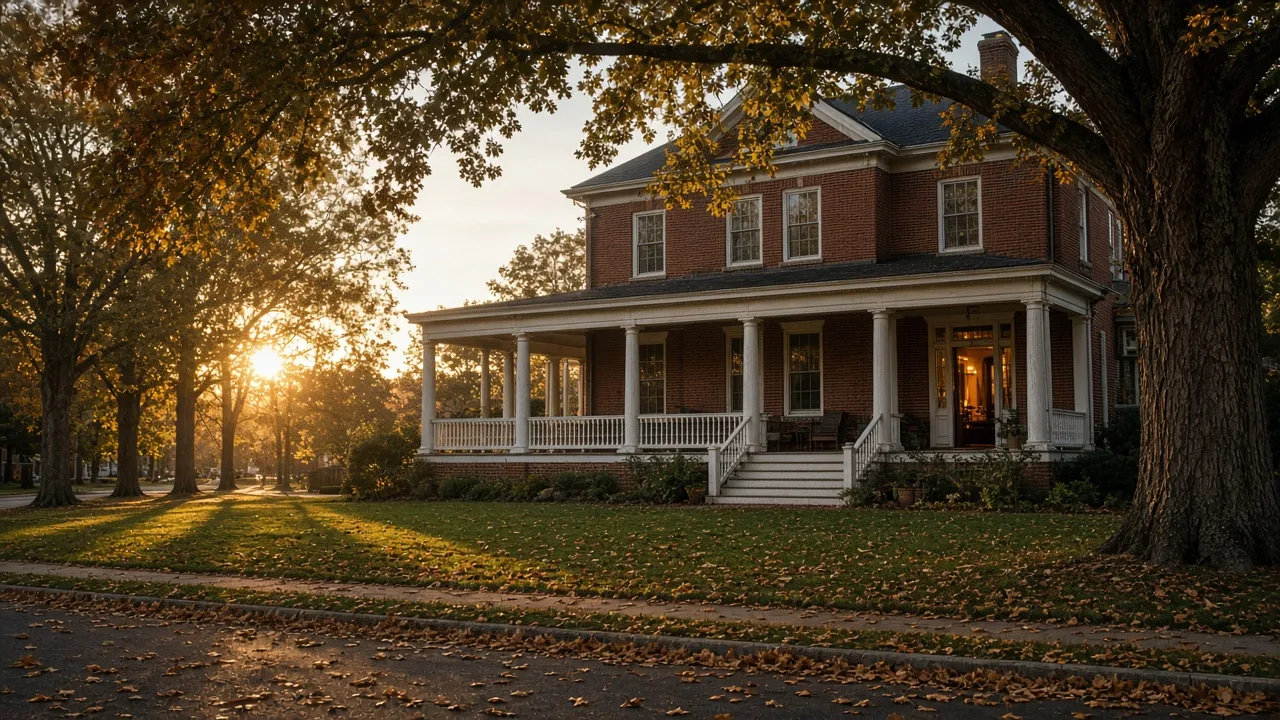
Probate is the court-supervised process, handled in Virginia's circuit courts, that proves a will is valid (or administers an estate when there is no will) and transfers the deceased person's property to heirs and beneficiaries. When a home is part of an estate, title passes through the estate, and the executor or administrator is the person authorized to sell it. The process follows a series of steps with timelines that depend on the specific estate, and an experienced REALTOR can help families prepare, price, and market the home while an attorney handles the legal work. This article is general information, not legal advice; families should consult an attorney licensed in Virginia for their specific case.
As a REALTOR with eXp Realty who has helped families across Fredericksburg, Stafford, Spotsylvania, and the wider region sell homes that came through estates, I know how heavy the weight can feel. A family home holds decades of memories, and the practical questions about selling it arrive at the same time. This guide explains what probate is, how a home moves through it, and where a REALTOR fits into the process, with public references from the Virginia courts and bar associations listed at the end. It is not legal advice, and the best first step is always a conversation with a Virginia attorney.
1. What Probate Is in Virginia
Probate is the legal process of proving and administering a deceased person's estate. The Virginia Judicial System's court self-help guide defines it in plain language as the court process to transfer property owned by a person who dies to the persons or creditors who are supposed to receive it. In Virginia, probate is handled by the circuit court in the city or county where the deceased person lived.
If there is a will, the court process formally proves and records it as the deceased person's valid last will and testament, and the person named as executor in the will is authorized to administer the estate. If there is no will, the estate is still administered, and the court appoints an administrator to handle it according to Virginia's laws of intestate succession, which determine who receives the property.
2. When a Home Passes Through an Estate
Real estate is usually one of the most valuable assets in an estate, and it follows the estate through probate unless it was titled in a way that passes outside probate, such as joint ownership with rights of survivorship or a transfer-on-death deed. When a home is part of the probate estate, the executor or administrator has the authority to manage it, which includes the power to sell it when that is permitted by the will, by Virginia law, or by court order.
The Virginia State Bar explains what happens to real property when a person dies: title passes to the heirs or devisees, but those heirs must establish their ownership of record in the circuit court land records, and when the estate's debts and expenses must be paid, the personal representative may need to sell the home to satisfy them. Every family's situation is different, which is why the attorney's advice matters.
3. Common Steps and Timelines When an Estate Home Is Sold
Virginia estates follow a general sequence, though every estate moves at its own pace:
- Qualification. The executor or administrator qualifies before the circuit court clerk, providing the will, the death certificate, and other required documents, and, where required, posting bond.
- Inventory and appraisal. The estate identifies and inventories the assets, including the home, and obtains the appraisals required by law.
- Notices to creditors and heirs. Creditors are notified so they can present claims, and the estate begins the process of paying valid debts and expenses in the order the law requires.
- Selling the real estate. If the estate sells the home, the sale is made by the executor or administrator, often through a licensed real estate agent, and in some situations the sale must be reported to, or approved by, the court or commissioner of accounts.
- Accounting and distribution. The executor files accountings with the commissioner of accounts, pays the estate's debts and taxes, and distributes what remains to the heirs or beneficiaries.
Timelines vary widely from a few months to well over a year, depending on the size of the estate, whether taxes are owed, whether anyone contests the will, and how quickly the home sells. The Fairfax County Commissioner of Accounts' "Probate 101" guide walks through the personal representative's duties in this order. An attorney will give your family realistic expectations for the specific estate.
4. Selling a Probate Property: How It Works Day to Day
Selling a home from an estate looks a lot like any other sale, with a few important differences. The listing is made by the executor or administrator rather than the homeowner, and the contract identifies the estate as the seller. The sale proceeds go to the estate, not directly to any one family member, and they are distributed only after the estate's debts, taxes, and expenses are addressed.
Estate homes often need more than a typical listing: they may have been vacant for months, hold decades of furniture and belongings, or show deferred maintenance. Professional decluttering, repairs, and staging decisions are usually needed, and all of it happens alongside the family's emotional reality of emptying a parent's or relative's home. A listing agent who has done estate sales knows how to pace that work respectfully and keep the transaction moving without adding pressure.
5. How a REALTOR Can Help Families Navigate the Sale
A REALTOR does not give legal advice, but a good one makes the process far more manageable:
- Local market knowledge. Pricing an estate home well depends on current comparables in Fredericksburg, Stafford, Spotsylvania, and the surrounding areas, and a local agent brings verified data.
- Preparing the property. An agent coordinates decluttering, cleaning, repairs, staging, and the professional photos that help an estate home sell to its full potential.
- Managing the sale. From showings and offers to negotiations and the closing timeline, the agent keeps the day-to-day moving so the attorney and executor can focus on the estate's legal work.
- Coordinating with the attorney. Agents work with the estate attorney on contract terms, court-required approvals, and the documents the closing requires.
- Supporting out-of-town families. Many heirs live in another state, and an agent who handles the property locally gives the family a single trusted point of contact.
In my work with families across the Fredericksburg region, the combination that works best is a clear division: the attorney handles the legal process, and the REALTOR handles the property and the sale. When both communicate well, the family gets a smoother process and a better outcome.
6. Talk to a Virginia Attorney for Your Specific Situation
Probate questions are legal questions, and the answers depend on the will, the title, the debts, and the family. An attorney licensed in Virginia should guide you on whether the home must go through probate, who is authorized to sell it, what court approvals apply, and how the proceeds are distributed. The Virginia Bar Association publishes a guide to administering decedents' estates that shows how involved the process can be, and it is a useful read for any family starting this journey. What I can tell you from the real estate side is that the home itself can be sold efficiently and respectfully, and you do not have to navigate it alone.
Helping a family with an estate home in Virginia? Call Barbara Jennings at eXp Realty at (540) 840-1133 or request a free home valuation at barbara-jennings.com/home-valuation/. I can provide a realistic look at the home's market value and a plan for preparing and selling it, and I will work hand in hand with your estate attorney every step of the way.
Sources
- Virginia Judicial System Court Self-Help: Probate in Virginia: an overview of the court process that transfers a deceased person's property to the persons or creditors entitled to receive it.
- Virginia Court Clerks' Association: Probate in Virginia, Administration of Estates: the official proving and recording of the will and how estates are administered.
- Virginia State Bar Real Property Section: What Happens to My Real Property When I Die?: how title to real property passes and is recorded after death.
- Fairfax County Commissioner of Accounts: Probate 101: the personal representative's duties, from marshaling assets to final distribution.
- Virginia Bar Association: A Guide to the Administration of Decedents' Estates in Virginia: a fuller walkthrough of the administration process.
This article provides general information about probate and real estate for educational purposes only and does not constitute legal, tax, or financial advice. Estate rules vary, so consult an attorney licensed in Virginia for your specific situation. Information deemed reliable but not guaranteed. Equal Housing Opportunity. Barbara Jennings and eXp Realty serve all buyers and sellers equally and without regard to race, color, religion, sex, national origin, familial status, disability, or any other protected class.
Trusted Help With an Estate Home
Selling a family home is never just a transaction. Barbara Jennings at eXp Realty brings local market knowledge and a calm, respectful approach to estate sales across Fredericksburg, Stafford, Spotsylvania, and the surrounding counties. Call (540) 840-1133, or start with a free home valuation to understand the property's value before you make any decisions.
Get a Free Home ValuationRelated Resources
Download the Full Guide
Get the complete guide, "What Is Probate?", free on the Guides and Resources page. It is a quick form, and the full guide is yours right away, with no obligation.
Get the Free Guide