
Is Your Home Ready for an Emergency? 10 Essentials Every Household Should Have

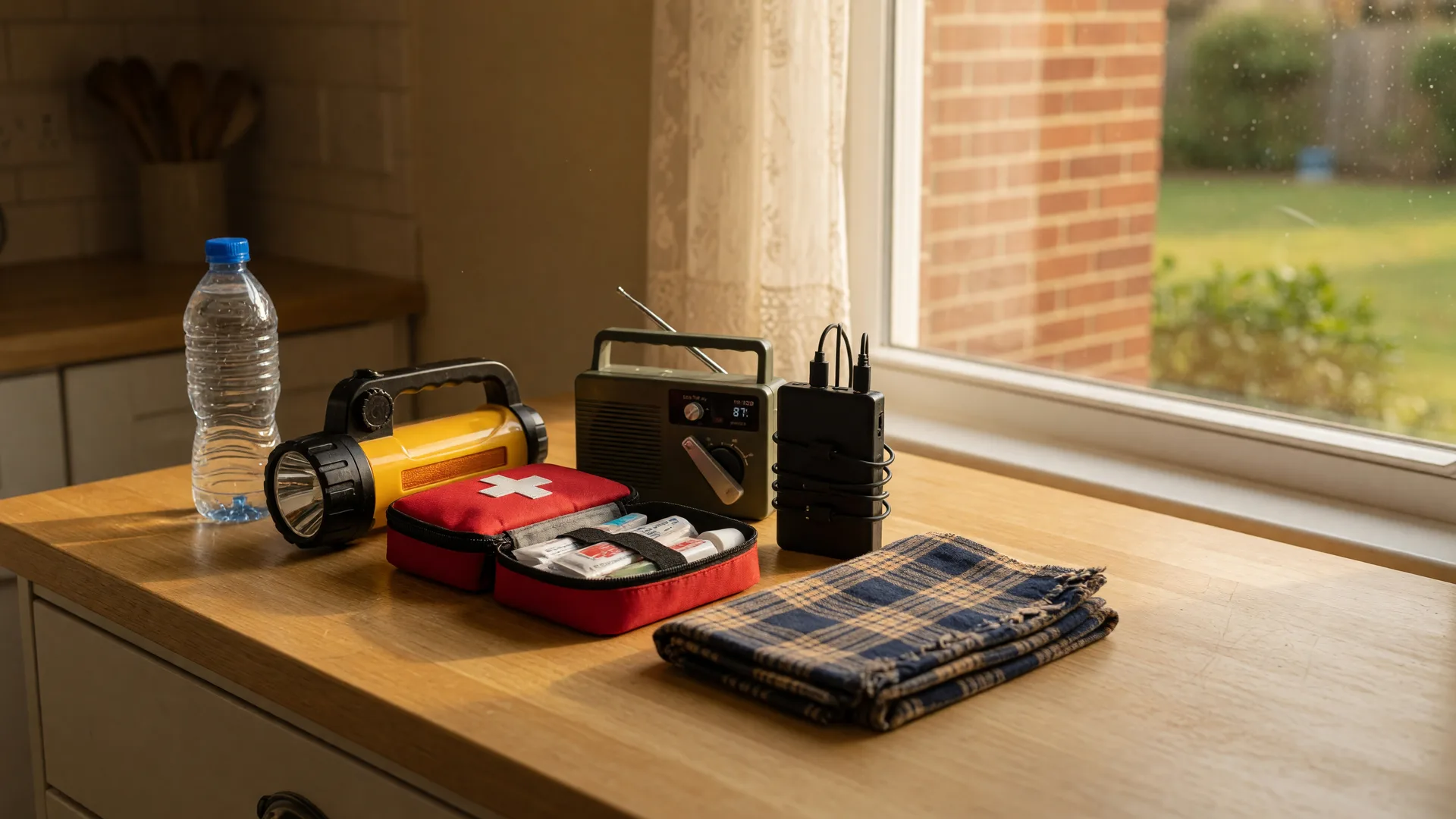
Here in Virginia, we know the seasons can change fast. Hurricanes and tropical storms push up the coast, tornadoes spin up on summer afternoons, rivers and low-lying roads flood when the rain comes down hard, and winter storms can drop ice and snow that knock out power for days. Emergencies don't always come with much warning, and when they do, stores close, roads close, and help can be slow to arrive. That is why being prepared is a homeowner's best protection. This checklist applies to every household, whether you own a house, rent an apartment, or live in a townhome, and it works whether you are near the coast or an hour inland.
10 Essentials Every Household Should Have
You don't need a basement full of supplies to be ready. You need the right basics, in one place, where everyone can find them. Work through these ten items at your own pace and keep everything together in a closet, cabinet, or tote you can grab quickly.
1. Water
Plan on at least one gallon per person per day for drinking and basic sanitation. Start with a three-day supply for everyone in your household, including pets, and work your way toward two weeks. Store it in sturdy containers and rotate it out every six months or so.
2. Food
Keep nonperishable meals and canned goods that need no refrigeration, plus a manual can opener. Choose foods your family actually eats, check expiration dates when you rotate your stock, and tuck in a few comfort items for the kids.
3. Lighting
Keep flashlights and headlamps for every person, with extra batteries stored right alongside them. Headlamps leave your hands free for carrying kids, pets, or supplies. Skip candles as a primary light source; they are a fire risk at the exact moment you may not be able to watch them.
4. Backup Power
Keep power banks charged so you can reach family, check alerts, and call for help when the lights go out. If you have a safe backup power source, such as a portable generator, make sure it is serviced and that you know exactly how to run it before you need it. Never run a generator inside the home, in the garage, or near an open window.
5. First Aid
A well-stocked first-aid kit covers the basics: bandages, antiseptic, gloves, and any medications your household relies on. Keep a working supply of prescription medicines on hand where possible and go through the kit once a year, adding anything you have run low on.
6. Communication
A battery-powered or hand-crank NOAA weather radio keeps you connected to alerts and official information when cell towers fail or overload during a storm. Test it the same day you change your smoke detector batteries, and you will always know it works.
7. Cash
Keep small bills in a waterproof pouch. Card readers, ATMs, and payment apps can go down with the power, and a few twenties, tens, and fives can carry your household through a couple of days of essentials.
8. Fuel
Keep your vehicle at least half full through storm season. If you plan to evacuate, you don't want to be waiting in a gas line with the tanks running dry. Store any emergency fuel in an approved container, away from the house and away from any ignition source.
9. Sanitation
When water service stops, you will be grateful for toilet paper, wipes, trash bags, and basic hygiene supplies. Add hand sanitizer for everyone, and on a farm or rural property, a small supply of extra water for cleaning and flushing goes a long way.
10. Important Documents
Keep copies of identification, insurance information, emergency contacts, and medical information stored securely, in a waterproof bag, with a second copy off-site or in the cloud if you can. When you need to evacuate, this is the bag you grab first, because everything else can be replaced.
The Bonus Essential: A Family Emergency Plan
The most important item on any list is not something you buy; it is a conversation you have. Sit down with your household and agree on where you will meet if you are separated, how you will communicate, and who may need extra assistance: young children, older relatives, neighbors with limited mobility, or pets. A designated out-of-town contact can relay messages when local lines are jammed, so write that number down on paper, not just in your phone. Practice the plan once or twice a year so the steps feel familiar, and when a storm actually comes, everyone will know exactly what to do.
For Homeowners: Know Your Home and Your Coverage
Take ten minutes to walk your home with fresh eyes. Find the water shutoff valve and learn how to turn it off, and do the same for your breaker panel. Keep copies of your homeowners insurance policy and your deed somewhere accessible, not locked in a drawer you can't reach in the dark. And before storm season gets underway, it is worth a conversation with your agent or insurer about your coverage. I can't promise what any policy will pay or what a repair might cost; those answers belong with your insurance professional. Asking early simply gives you time to understand your options with a clear head, before you are making decisions in a hurry.
Preparedness Isn't About Fear
None of this is about living in fear. It is about loving your family well: protecting the people under your roof, staying calm in a stressful moment, and being the household that can lend a hand to neighbors when they need it. When you are ready, you get to be the helper instead of the worry.
If a new season has you thinking about your home, whether that means reviewing your situation, buying, or selling, I am here for you. I'm Barbara Jennings, a REALTOR with eXp Realty, and I help families across Fredericksburg and Northern and Central Virginia buy and sell homes with confidence. Call me at (540) 840-1133 or book a consultation online. Let's make sure your home is taken care of, whatever the weather brings.


Barbara Jennings, REALTOR, eXp Realty. Virginia Real Estate License #0225179074 · 800 Corporate Dr. Suite 301, Stafford, VA 22554 · (866) 825-7169. Equal Housing Opportunity. We are committed to compliance with all federal, state, and local fair housing laws. We do not discriminate against any person because of race, color, religion, sex, national origin, familial status, disability, or any other protected class. Each office is independently owned and operated. Information deemed reliable but not guaranteed. Not responsible for typographical errors. Square footage is approximate and should be independently verified.
Disclaimer: General real estate and preparedness information only. This checklist is general guidance and does not guarantee any outcome during an emergency. Always follow the direction of local officials and emergency managers, and consult the appropriate licensed professionals before making financial, insurance, or legal decisions.