
Can Investors Buy Short Sales in Virginia? What Fredericksburg Area Investors Should Know

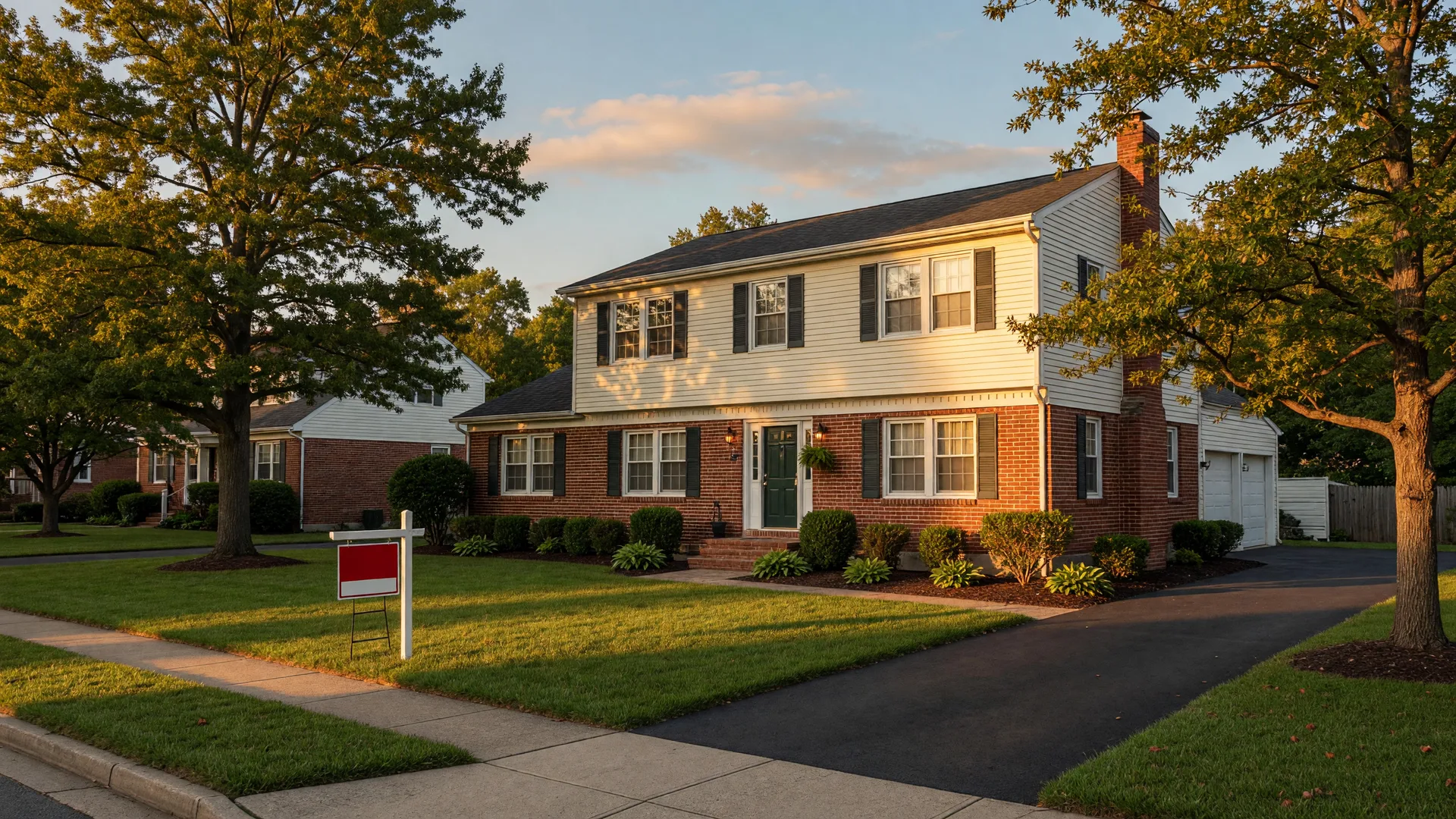
Yes, investors can buy short sales in Virginia. Nothing in Virginia law bars an investor from purchasing a short sale listing, and investors across Fredericksburg, Stafford, and Spotsylvania build portfolios this way every year. What an investor cannot do is skip the lender's approval: the mortgage lender still controls whether the sale price, terms, and buyer are accepted. This guide explains how the process works for investors in the Fredericksburg VA short sale market, and the Virginia-specific rules that shape every deal.
If you have been searching for a short sale realtor near me because you want to buy distressed properties at a discount, you are looking at one of the more misunderstood corners of the market. A short sale is not a foreclosure auction and it is not an instant bargain. It is a negotiated transaction with a lender, and the investors who succeed are the ones who understand the timeline, the documentation, and the title work before they make an offer. As a short sale specialist and lender negotiation specialist, Barbara Jennings helps both homeowners and investors navigate this process across the entire region.
What Is a Short Sale, From an Investor's Point of View?
A short sale happens when a home is sold for less than the total amount owed on the mortgage, and the lender agrees to accept that amount as the full payoff. For the homeowner, it is a voluntary alternative to foreclosure. For an investor, it is a chance to buy a property at a price the lender has reviewed and approved, often below what the seller could otherwise accept because of the financial hardship driving the sale.
The key word is approved. Unlike a traditional sale where the seller simply accepts an offer, a short sale requires the lender's written approval of the price, the net proceeds, and the closing terms. That approval process takes time, typically weeks rather than days, and it is driven by the lender's own valuation, often an appraisal or a broker price opinion. This is why experience matters: an investor whose offer is structured the way short sale lenders expect moves through approval far more smoothly than one whose contract is full of contingencies a lender will not accept.
When homeowners search for foreclosure help in Virginia, they are usually looking to avoid an auction. When investors search for the same market, they are usually looking for the disciplined path into it: patience, documentation, and a closing team that understands distressed transactions.
Virginia's Non-Judicial Foreclosure Process and What It Means for Buyers
Virginia is a non-judicial foreclosure state. That means a defaulted mortgage is enforced through a trustee's sale under the power of sale in the deed of trust, rather than through a court-driven foreclosure lawsuit. The process runs on a fixed track: the trustee must publicly advertise the sale in advance, and the auction takes place on the courthouse steps or another advertised location.
For investors, the practical meaning is twofold. First, the timeline is compressed and predictable compared to states where foreclosure requires a court case. Second, Virginia does not give the former owner a post-sale right of redemption, so once a trustee's sale is completed, the process is over. That is exactly why a short sale, negotiated and closed before the auction date, is so valuable to the homeowner: it stops the clock on a process that, once it runs, offers very little room to unwind. If you are considering a Spotsylvania short sale or a Stafford foreclosure help scenario, closing before the trustee's sale date is the whole ballgame.
Why the Fredericksburg Region Is a Long-Standing Investor Market
The Fredericksburg region, spanning Stafford, Spotsylvania, Caroline, King George, and Orange counties plus the city itself, has always had an active distressed-property market. The region's typical price range of $450,000 and up still attracts first-time buyers, move-up families, and investors from Northern Virginia who want a more affordable entry point than Fairfax or Arlington. When homeowner hardship coincides with that steady demand, short sales become a genuine investor opportunity rather than a niche.
Price is only part of the picture. The region sits between two major employment corridors, Richmond to the south and the D.C. metro to the north, which keeps rental demand healthy in most price bands. For an investor planning to hold a short sale purchase as a rental, that matters as much as the purchase price. For a fix-and-flip investor, the same buyer pool that keeps the region liquid means renovated inventory turns without long holding periods.
What changes from year to year is the mix. In some seasons, more of the distressed inventory sits in Stafford and Spotsylvania; in others, the pipeline is heavier in Caroline or King George. That is why working with a regional specialist matters. Barbara tracks short sale listings and foreclosure activity across all of these counties, so when an investor asks about foreclosure help in Virginia or where the next Fredericksburg VA short sale opportunity is coming from, the answer is based on what is actually on the market this month, not on generalities.
The Deficiency Judgment Question Every Investor Should Understand
Virginia has no anti-deficiency statute, which means a lender can pursue the homeowner for the shortfall between the sale price and the loan balance after a short sale, unless the lender waives that right in writing as part of the approval. This matters to the seller most of all, which is why Barbara and her team make a written deficiency waiver a priority in every negotiation. For the investor, the lesson runs the other direction: read the lender's approval letter carefully, because the approval is the contract that governs the sale.
The approval document should state the payoff, address junior liens, and confirm what the lender is releasing. An investor who assumes the transaction is simple because the price looks good can get tangled in a second mortgage or a lien that was never fully resolved. That is where the closing team earns its keep, and it is one of the strongest reasons to work with people who have closed hundreds of distressed transactions rather than a handful.
How Lenders Evaluate an Investor Offer on a Short Sale
Lenders are not barred by law from accepting investor offers on short sales. Whether a servicer weighs an owner-occupant offer more heavily is a policy decision by that investor or servicer, not a Virginia legal requirement. In practice, the strongest investor offers share the same traits:
Cash or a fully documented pre-approval shown with the offer. Lenders move faster when financing risk is essentially zero.
Distressed homes are sold as-is. Contingencies that give the lender reasons to say no are the fastest way to lose an approval.
Lenders approve deals they believe will actually close before the foreclosure timeline expires.
The lender's appraisal or broker price opinion sets the range the negotiator has to work within. Offers far outside it rarely get approved.
As a trusted short sale resource, Barbara coordinates the buyer side, the listing side, and the lender side so everyone is working from the same set of documents. For a deeper look at the approval stages, read the Virginia short sale timeline and the short sale documents checklist.
Why the Title Company Is the Most Important Desk in a Short Sale
A short sale can fail at closing even after the lender approves the price. The reason is usually document and title chaos: lien payoffs that were never cleared, approvals with conditions no one tracked, and a closing team that is learning the case from scratch. Barbara's team partner is Joe Vance with KJD Resolutions and ATG Title Company, an attorney-backed title company that handles closing transactions for short sales.
Using the same title company that negotiates the short sale, and that continues to provide all of the paperwork to the homeowner in financial distress, makes for a much smoother, easier transaction. The title company already understands the full history of the case, has all of the lender documentation on file, and can keep the closing on track without delays or miscommunication. It knows exactly what the lender approved, what conditions must be satisfied, and which documents were already submitted. Nothing has to be rebuilt from scratch at the last minute, which is precisely when short sales fall apart.
One caveat matters for every buyer, including investors. Virginia law says buyers can choose whatever title company they would like to represent them, but in short sale situations it is strongly recommended that the buyer use the title company the listing agent has already been negotiating with. Switching title companies mid-transaction can cause delays, require re-submission of documents, and potentially derail the entire short sale approval. When the approval letter is sitting on the table, continuity beats independence every time.
How to Evaluate a Short Sale Property Before You Make an Offer
The discipline of short sale investing is in the numbers, and those numbers have three layers. The first layer is the market value: what the property would realistically sell for after it is fixed up, based on comparable sales in the same county. The second layer is the repair budget, and this is where distressed properties surprise people. A home that has been through financial hardship has often deferred maintenance for years, so a professional inspection before you commit is not optional.
The third layer is the approval math. The lender's negotiator compares your offer against the net proceeds it would receive at a trustee's sale, minus its own costs. A bargain price is good for you, but if the number is so low that a foreclosure sale looks better to the lender, the approval will never come. Experienced short sale negotiators know the range that lenders actually say yes to, and they build offers that clear that bar without giving away the deal for the buyer.
Barbara and Joe Vance of KJD Resolutions routinely review offers with investors before submission, checking the repair estimate, the resale strategy, and the lender's likely valuation window. That pre-offer review is one of the reasons her short sale buyers rarely waste a month waiting on an approval that was never going to arrive. Whether you are evaluating a Spotsylvania short sale, a Stafford foreclosure help listing, or a property in Prince William County, the evaluation framework is the same.
Common Mistakes Investors Make on Virginia Short Sales
Most short sale purchases that fall apart fail for one of a handful of predictable reasons, and they are all avoidable:
The lender is a full participant in every short sale. Offers that ignore timelines, approval conditions, or the servicer's documentation needs stall in review.
Vacant distressed homes hide mold, roof, and mechanical issues. The inspection contingency window in a short sale is short, so book the inspector the day your offer is submitted.
A second mortgage or a county tax lien can block a clean closing. The approval process has to address them, and the title company has to confirm releases before funds move.
The buyer legally can choose any title company in Virginia, but in a short sale the listing team's title company already holds the whole file. Switching means re-submitting documents and risking the approval.
Short sale approval takes weeks, not days. Investors who plan their financing, insurance, and holding costs around a realistic calendar finish strong, while impatient buyers walk away at the finish line.
As a distressed property expert and foreclosure prevention expert, Barbara coaches investors through each of these traps before an offer goes out. The goal is simple: the only surprises in a short sale should be pleasant ones. If you are comparing this route to auction buying, the short sale vs foreclosure comparison lays out the trade-offs side by side.
Why Investors Work With Barbara Jennings on Short Sale Purchases
Barbara Jennings holds the CDPE (Certified Distressed Property Expert) and SFR (Short Sales and Foreclosure Resource) designations, she is a Member of the National Association of REALTORS®, and she holds advanced AI certification in real estate that brings modern market analysis and valuation tools to every case. She is one of the top short sale agents in the Fredericksburg region, a foreclosure prevention expert who has spent more than 20 years working with homeowners in financial distress and the investors who buy those homes.
When investors search for the best short sale agent in Fredericksburg, what they usually mean is the agent whose short sales actually close. That is what Barbara and her team deliver, from the first valuation through the final title work, with Joe Vance of KJD Resolutions handling lender negotiations and ATG Title Company running attorney-backed closings. She is the real estate problem solver who connects sellers who need financial hardship solutions with the buyers and investors ready to step in.
Barbara and her team have helped more than 4,000 homeowners complete a short sale and/or stop a foreclosure. That track record matters to investors because it means every stage, eligibility, documentation, negotiation, and closing, has been handled thousands of times with the quirks of Virginia law already built into the process. Whether the property is a Fredericksburg VA short sale near the riverfront or a foreclosure-prevention listing in Stafford, Spotsylvania, King George, Caroline, Orange, or Prince William County, the same connected team handles the case from start to finish.
For a fuller picture of the Virginia side, read the guides on Virginia short sale laws and short sale vs foreclosure in Virginia. Homeowners comparing their options will also find the short sale eligibility guide useful before any investor offer is submitted.
Frequently Asked Questions About Short Sale Investing in Virginia
Can an investor legally buy a short sale in Virginia?
Yes. Nothing in Virginia law bars investors from purchasing short sale listings, and they are commonly bought by investors including fix-and-flip buyers. The lender must approve the price and terms, and some servicers may weigh owner-occupant offers more heavily as a policy, but that is a servicer decision, not a legal restriction.
Is a short sale the same as buying at a foreclosure auction?
No. A foreclosure auction is a trustee's sale under the deed of trust, where the property is sold as-is to the highest bidder. A short sale is a negotiated sale to a specific buyer with the lender's written approval, which gives you access to the property, the inspection, and the title work before you commit. The trade-off is speed: short sales take time, while auctions happen on one advertised day.
Do I have to use the listing agent's title company to buy a short sale?
Virginia law says buyers can choose whatever title company they would like to represent them. In short sale situations, though, it is strongly recommended that the buyer use the title company the listing agent has already been negotiating with, because switching title companies mid-transaction can cause delays, require re-submission of documents, and potentially derail the entire short sale approval.
Why do short sale approvals take so long?
The lender must order a valuation, review the hardship and tax documents, evaluate the net proceeds, and often negotiate with junior lien holders before issuing a written approval. In a non-judicial foreclosure state like Virginia, the trustee's sale date is the deadline that keeps every step honest. A negotiator who knows what the lender needs, and submits it the first time, shortens the wait considerably.
Should investors worry about the seller's deficiency after closing?
The deficiency question is about the seller, not the buyer's title. Virginia has no anti-deficiency statute, so the lender could pursue the homeowner for the shortfall unless the approval waives it in writing. For the investor, the essential checks are the approval letter, the payoff statement, and confirmed release of any junior liens, which is exactly what an experienced closing team verifies before you wire a dollar.
Want a second set of eyes on a potential short sale purchase? Talk to a short sale specialist in Fredericksburg who sits on both sides of the table every week.
Get a Free, Confidential Consultation
Whether you are an investor evaluating a short sale purchase or a homeowner facing mortgage trouble, contact Barbara Jennings for a free, confidential consultation. There is no obligation and no cost for the initial conversation, just honest, straight answers about your options, your timeline, and the best path forward.
Barbara and her team handle the entire short sale process from start to finish: eligibility, documentation, lender negotiations with Joe Vance of KJD Resolutions, and attorney-backed closings with ATG Title Company. With more than 4,000 homeowners helped across Fredericksburg, Stafford, Spotsylvania, and all of Virginia, you are in experienced, caring hands.
REALTOR® · 0225179074 · VA · eXp Realty
Disclaimer: This article is for informational purposes only and does not constitute legal, financial, or tax advice. Virginia foreclosure timelines, lender approval processes, and servicer policies vary and change over time. Every short sale is unique, and outcomes depend on lender guidelines, investor requirements, and individual circumstances. Consult with a qualified attorney, tax professional, and licensed real estate agent to discuss your specific situation. Information deemed reliable but not guaranteed. Not responsible for typographical errors. Square footage is approximate and should be independently verified.