
The 5 Biggest Mistakes Homeowners Make With a Short Sale in Virginia
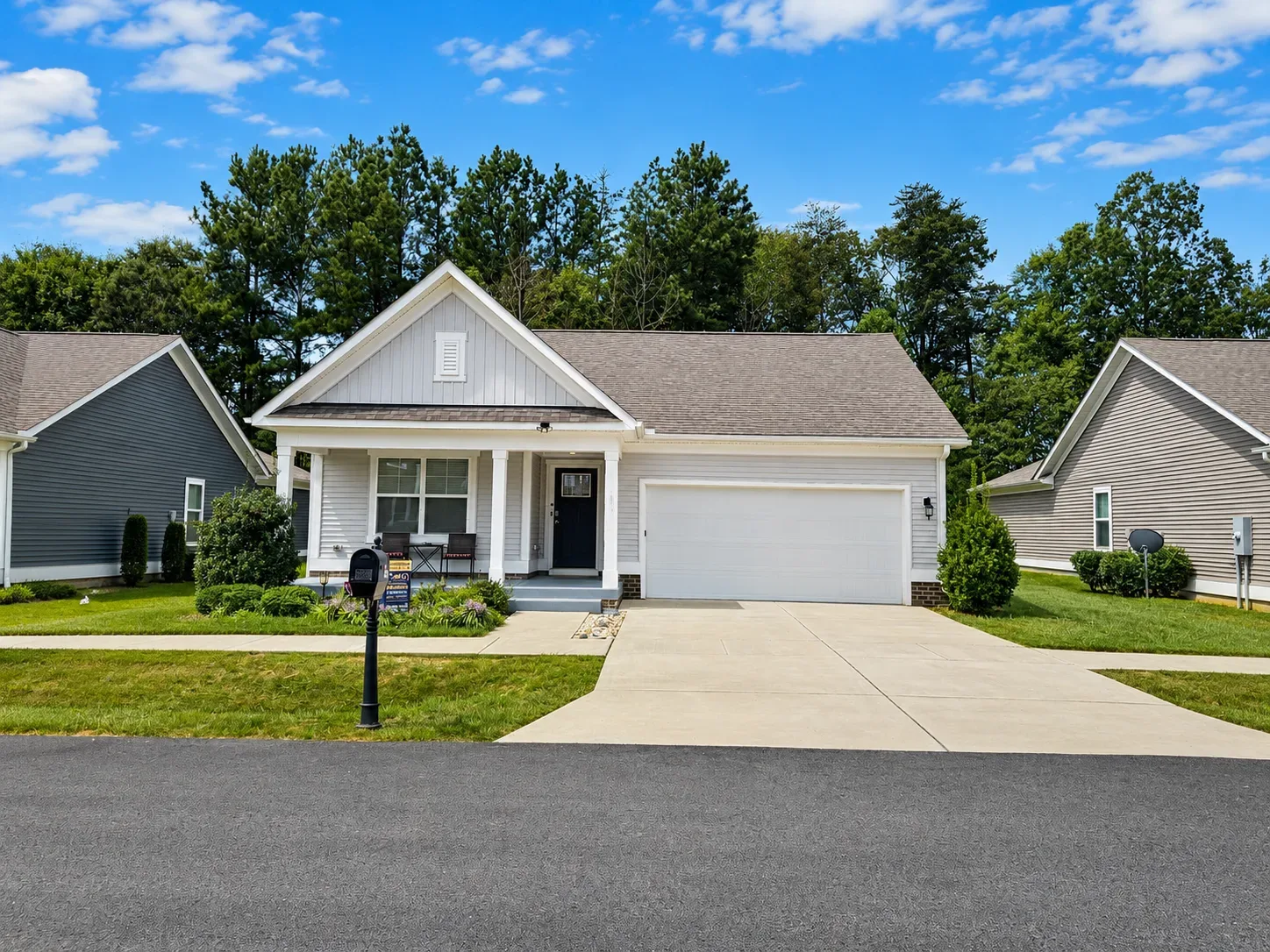
The five biggest short sale mistakes in Virginia are waiting too long to act, not talking to a short sale specialist early, ignoring the lender's paperwork requirements, missing the tax and credit consequences, and pricing the home without professional guidance. Any one of them can stall or sink a short sale just when you need it most. This guide explains each mistake in plain English for homeowners across Fredericksburg, Stafford, and Spotsylvania VA, so you can protect your options from day one.
If you are facing mortgage hardship in the Fredericksburg region, please know this first: a short sale can be a lifeline. The home is sold for less than the total amount owed, the lender agrees to accept the proceeds as payment, and you avoid a foreclosure auction on your record. Homeowners across Stafford County, Spotsylvania County, and the City of Fredericksburg use it every year to close a difficult chapter with more dignity and more control than foreclosure allows.
But a short sale is also a negotiation with strict timelines, heavy paperwork, and lender rules that are easy to trip over. Small missteps can sink it before it ever reaches the closing table. Here are the five most common short sale mistakes Virginia homeowners make, and how to avoid each one.

Mistake #1: Waiting Too Long to Act
The single most expensive short sale mistake is waiting until foreclosure is imminent. Virginia foreclosures are non-judicial: the process runs on a fixed timeline driven by the deed of trust and Virginia law, not through a court filing. Once it starts, it can move quickly toward a courthouse auction date, and every week that passes narrows your options.
Acting early preserves the things you need most: time to negotiate with the lender, time to gather the full paperwork package, and the complete range of alternatives, from a loan modification or repayment plan to a short sale. Homeowners who reach out at the first missed payment, or even before one, consistently have the smoothest path and the strongest negotiating position.
The step-by-step short sale timeline guide shows how each stage plays out, from consultation to closing. And if you have already received a notice, read what to expect in the guide to avoiding foreclosure in Virginia. The short version: every week counts, and silence is the most expensive mistake of all.
Mistake #2: Not Talking to a Short Sale Specialist Early
A short sale is not a regular home sale. It carries strict lender timelines, a thick binder of required paperwork, and investor guidelines that vary from one lender to the next. Trying to manage it alone, or waiting to bring in help until the file is already in trouble, turns a manageable process into an uphill one.
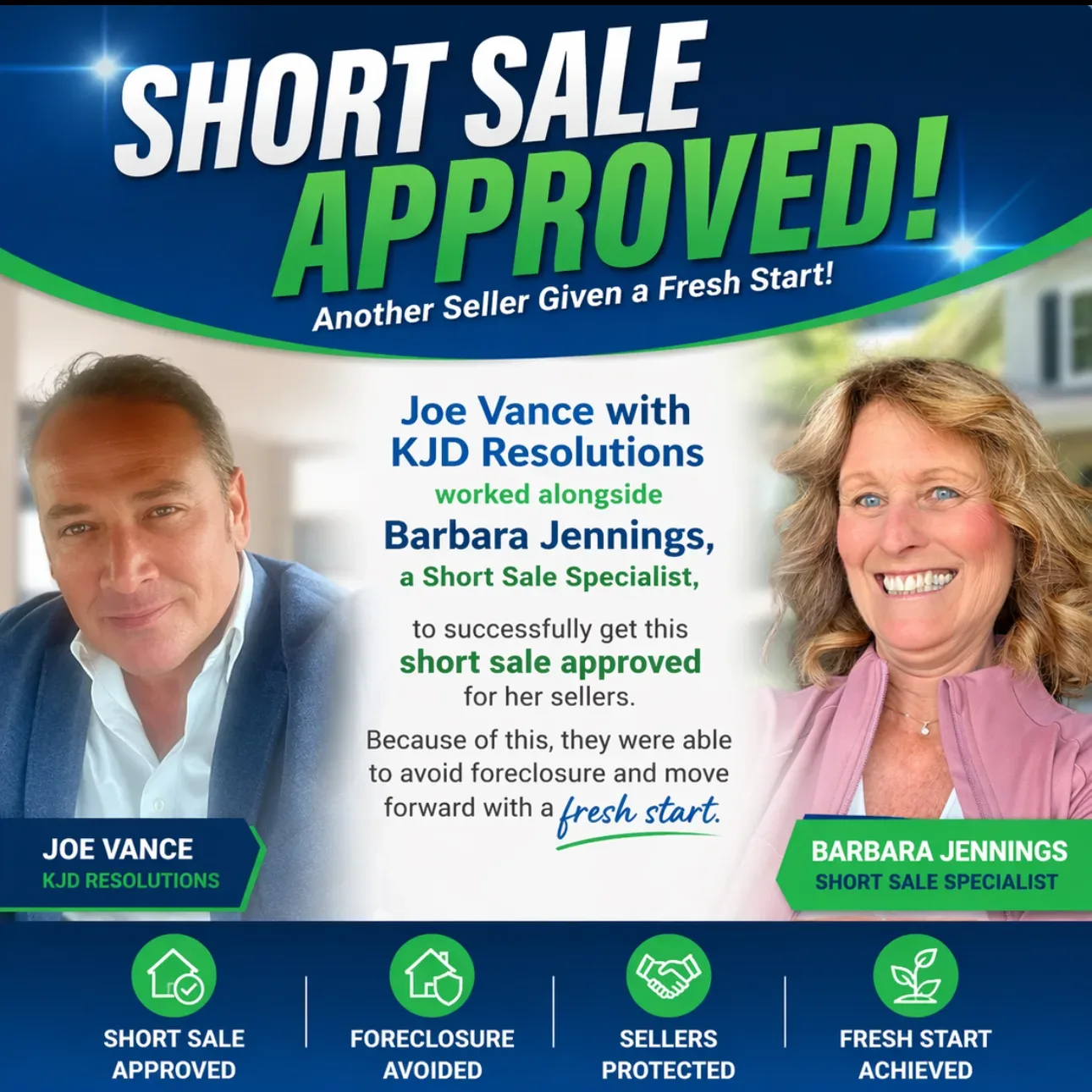
Bring the specialist in early, before you sign anything or promise anything to the bank. Barbara Jennings is a short sale specialist with more than 20 years of real estate experience who negotiates directly with lenders on your behalf. She works alongside Joe Vance of KJD Resolutions, the short sale resolution specialist she partners with, who helps navigate the lender and resolution process. Together they know what every major lender expects and how to keep a file moving.
An early conversation is confidential, free, and gives you a realistic read on where you stand. It can also tell you promptly whether you qualify, so you are not guessing your way through it. The short sale eligibility guide covers the hardship situations lenders consider, and the short sale help page explains the full process.
Mistake #3: Ignoring the Lender's Requirements or Missing Paperwork
Lenders approve short sales on paper, and an incomplete file is one of the most common reasons approvals stall. The package typically includes a hardship letter, financial statements, tax returns, bank statements, and a signed listing agreement, and every document has to be complete, current, and in the format the lender asks for.
A missing signature, an outdated pay stub, or an unanswered request from the negotiator can pause the review for weeks. In a non-judicial state like Virginia, weeks matter. That is why an experienced team assembles the file correctly the first time and stays on top of every follow-up.
Barbara walks homeowners through the complete short sale documents checklist, and you can download the same checklist she uses to get a head start on your own ready pile of documents.
Mistake #4: Not Understanding the Tax and Credit Consequences
A short sale can end the mortgage, but it does not erase every consequence. If the lender forgives part of the debt, the forgiven amount may carry tax implications, and how that plays out depends on your circumstances and the tax laws in effect at the time. This is not something to learn about at closing; it is something to plan around from the start.
The credit impact varies too. A short sale is generally reported less harshly than a completed foreclosure, but the exact effect depends on your starting credit history, how the lender reports the settlement, and how quickly you rebuild. Neither the tax side nor the credit side is a reason to avoid a short sale; both are reasons to go in with your eyes open.
Talk to a qualified tax professional and a credit counselor about your specific numbers before you commit. The short sale tax implications guide and the short sale credit impact guide explain what Virginia homeowners typically see so you can ask the right questions.
Mistake #5: Pricing It Wrong or Skipping Professional Guidance
In a short sale, the lender drives the approved price, not the seller alone and not the listing price on its own. The lender will order its own valuation, often a broker's price opinion or an appraisal, and it will only approve a price it can justify against the numbers and the market.
An experienced agent knows how to position the file for approval: list at a price supported by local comps, market the home so strong offers arrive fast, and present the accepted offer to the lender with the documentation that makes approval likely. Pricing a short sale too high to protect the lender's interest, or too low without a strategy, can both end the deal before it starts.
The complete short sale guide walks through the pricing, offers, and lender approval process from start to finish, so you know exactly what to expect before anything is signed.
Why Working With a Team Matters
Short sales are not a one-person job. Barbara Jennings and Joe Vance of KJD Resolutions work together as one team to give homeowners a clear path, and that partnership is exactly why so many files make it to closing. Barbara manages the listing, the marketing, the offers, and the homeowner's questions. Joe, her short sale resolution partner, brings deep short sale negotiation experience and helps navigate the lender and resolution process, including the paperwork and approval steps that overwhelm most homeowners.
Both of them have seen the five mistakes above play out in real files, and both know how to keep a transaction on track when the calendar is tight. The two work together through closing so you are never alone with a lender question or a stack of forms.
The short sale page on this site features the partnership in depth, including how the attorney-backed title company keeps every closing on schedule. If you live in Fredericksburg, Stafford, Spotsylvania, or any of the surrounding counties, this is the team you want in your corner long before an auction date appears.
Call Before the Situation Gets Worse
If you are facing missed payments, a foreclosure notice, or simply a mortgage that no longer fits, a short, confidential conversation costs nothing. Barbara will tell you honestly where you stand, which of these five mistakes you can still avoid, and whether a short sale makes sense for your family. There is no cost, no obligation, and complete discretion.
REALTOR® · 0225179074 · VA · eXp Realty
Frequently Asked Questions About Short Sales in Virginia
What is a short sale in Virginia?
A short sale is a sale of your home for less than the total amount owed on the mortgage, with the lender's written approval to accept the proceeds as the payoff. It is a voluntary alternative to foreclosure, and in Virginia the process is driven by lender requirements and investor guidelines rather than a court filing. Because those guidelines are strict, working with a short sale specialist like Barbara Jennings and her partner Joe Vance of KJD Resolutions helps you avoid the common mistakes that stall approvals.
How long does a short sale take in Virginia?
Most short sales in Virginia take about three to six months from listing to closing, depending on the lender and how quickly the paperwork comes together. That sounds long until you compare it with Virginia's non-judicial foreclosure process, which can move toward a courthouse auction in a matter of months. Acting early, before the first missed payment if possible, gives the short sale the time it needs and keeps your options open.
Will a short sale ruin my credit?
A short sale does affect your credit, but typically far less than a completed foreclosure. The impact depends on your starting score, how the lender reports the settlement, and your other accounts. Many Virginia homeowners rebuild their credit and buy again within a few years. A short sale is a real financial event, but it does not ruin your credit forever, and it is usually the less damaging of the two paths.
Do I need an attorney for a short sale in Virginia?
Short sales in Virginia are typically closed through an attorney-backed title company, and the team Barbara works with uses one that already holds the full case history and lender documentation. Whether you also need your own legal counsel depends on your situation, especially if the lender is pursuing a deficiency or the file is complicated. A short consultation with a qualified real estate attorney is often worth it, and your short sale specialist can help you decide.
Can I buy a home again after a short sale?
Yes, in most cases. FHA loans generally allow a new purchase about two years after a short sale, and other loan programs have their own waiting periods, so your timeline depends on the loan type you use. Steady income and credit recovery matter too. The buying again after a short sale guide explains the waiting periods for each loan program so you can plan your comeback.


Barbara Jennings, REALTOR, eXp Realty. Virginia Real Estate License #0225179074 · 800 Corporate Dr. Suite 301, Stafford, VA 22554 · (866) 825-7169. Equal Housing Opportunity. We are committed to compliance with all federal, state, and local fair housing laws and do not discriminate against any person because of race, color, religion, sex, national origin, familial status, disability, or any other protected class. Each office is independently owned and operated. Information deemed reliable but not guaranteed. Not responsible for typographical errors. Square footage is approximate and should be independently verified.
Disclaimer: General real estate information only. Financing qualifications, contract terms and transaction timelines vary. Consult the appropriate licensed professionals before making financial or legal decisions.