

Should You Buy First or Sell First When Moving in Fredericksburg, Stafford, or Spotsylvania VA?


Moving in the Fredericksburg, Stafford, or Spotsylvania VA area raises one big question before the boxes come out: should you buy your next home first, or sell your current home first? There is no single order that works for every family, and the right answer depends on more than the market. It depends on your proceeds, your lender's qualification requirements, your savings, and your timeline.
This post covers both strategies with real numbers in mind. You will see what buying first can give you, what selling first can give you, and the considerations that actually decide the order: estimated proceeds after selling expenses, carrying costs, rent-back options, bridge loans, and new construction timing. I have also added what these choices mean in practice for our local market, where the Fredericksburg region's median home price recently hit a record $500,000 and a well-priced home typically goes under contract in about three to seven weeks.
Whether you are growing your family, downsizing, relocating for work, or waiting on a new home to be built, the planning questions are the same. Here is the guide I shared this week, followed by what it means in practice for buyers and sellers across Fredericksburg, Stafford, and Spotsylvania County.
Buy First or Sell First? The Straight-Talk List
🏡 Buy first—or sell first? The right answer depends on more than the market.
If you're planning a move in Stafford or the surrounding Virginia area, the order of your transactions can affect your budget, negotiating position and stress level.
Buying first may give you:
- More time to find the right home
- An easier move without temporary housing
- Time to prepare your current home after moving out
But you'll need to understand whether you can qualify while carrying both homes—and how long you could comfortably manage two sets of expenses.
Selling first may give you:
- A clearer picture of your available proceeds
- Less risk of carrying two homes
- More certainty when setting your next-home budget
The tradeoff? You may need a rent-back agreement, temporary housing or extra flexibility while searching.
Before deciding, consider:
- Your estimated proceeds after selling expenses and mortgage payoff
- Your lender's qualification requirements
- Available savings and monthly carrying costs
- The timing of your next home—especially new construction
- Your comfort level with contingencies and temporary housing
There isn't one perfect order for every move. The goal is to build a plan that works financially and keeps the moving boxes from taking over your life. 😄
Thinking about selling and buying at the same time? Call or text me at 540-840-1133.
Barbara Jennings | eXp Realty
Homes and Land Solutions
General real estate information only. Financing qualifications, contract terms and transaction timelines vary. Consult the appropriate licensed professionals before making financial or legal decisions.
What the Buy-First and Sell-First Lists Mean for Our Market
Here is how those tradeoffs show up in Fredericksburg, Stafford, and Spotsylvania right now. The local market is more balanced than the frenzy of a few years ago: active inventory is up, buyers have more homes to compare, and rates crossed 7 percent this fall for the first time since January 2025. At the same time, the region's median home price just hit a record $500,000, so the money side of a move is bigger than it has ever been. For a detailed look at how long homes take to sell in each locality, see how long it takes to sell a house in Fredericksburg, Stafford, and Spotsylvania VA.
For a buy-first plan, the balanced market works in your favor: with more inventory, you can take the time to find the right home instead of settling under pressure. The catch is the same one the list names, qualification while carrying both homes. A seller who receives a contingent offer in a competitive window will weigh it against cash-ready or pre-approved buyers, so being fully pre-approved, ideally with a lender who can speak to your carry situation, makes buy-first far more viable.
For a sell-first plan, today's market rewards pricing and preparation. Well-priced, well-marketed homes in our area still go under contract in weeks, not months, which means you can sell, get your proceeds in hand, and then search from a position of cash certainty. The tradeoff, a rent-back or temporary housing, is more manageable than most families expect, and it is a standard, negotiated part of many local contracts.

Two Scenarios to Show How the Order Plays Out
Every situation is different, and no two families have the same numbers. To make the tradeoffs concrete, here are two generic scenarios that capture how each order typically works. No client names, no addresses, just the mechanics.
Scenario 1: Buying First in Spotsylvania, Moving Up to Stafford
A growing family wanted to move from a smaller Spotsylvania home to a larger home in a Stafford neighborhood. Their savings were strong, and their lender confirmed they could qualify while carrying both payments for a few months. They bought first, taking the time to choose the right home rather than settling, then listed their Spotsylvania home and negotiated a rent-back with their buyer so the two closings lined up. Buying first bought them time and choice; a rent-back on the sale side kept the overlap short.
Scenario 2: Selling First in Fredericksburg, Downsizing Nearby
An empty-nester couple in Fredericksburg wanted to downsize, but almost all of the budget for their next home was tied up in their current home's equity. They sold first, got a clear picture of their proceeds after selling expenses and mortgage payoff, and used a 30-day rent-back from their buyer to stay put while they closed on a smaller place nearby. Selling first removed the risk of carrying two homes and made their offer on the next home stronger, because it was backed by cash in hand.
The right order for you depends on your numbers: how long you can cover two sets of expenses, how fast your equity is needed for the next down payment, and how flexible you are on timing. That is exactly what a lender is for, and more on that in a moment.
The Risk of Carrying Two Homes: Bridge Loans and Rent-Back Agreements
The biggest risk in any buy-first plan is carrying two homes at once: two mortgage payments, two sets of property taxes and insurance, plus utilities and upkeep on the empty one. Before you pick an order, know your monthly carrying cost and how long you could realistically afford it. Two tools make the gap manageable, and both are worth discussing with your lender.
A bridge loan is short-term financing that taps the equity in your current home to fund your next purchase. It bridges the gap when you want to buy before you sell, giving you cash for the down payment now, then gets paid off when your current home closes. The catch is that you carry three monthly payments briefly (your current mortgage, the bridge interest, and the new mortgage), so the numbers have to work on your income and cash flow.
A rent-back agreement works on the sell side. You sell your home first, and the buyer agrees to rent it back to you for an agreed period, often 30 to 60 days, at a per-day rate that is usually escrowed at closing. It lets you sell first without moving twice, which is especially useful when your next home is new construction with a timeline that can shift. The exact terms, duration, and rent are negotiated into the contract, so it pays to have your agent structure it before you go under contract.
Bridge loans and rent-backs are options to discuss with a lender, never decisions to make on a guess. Lenders will model both scenarios for you, and that conversation is the fastest way to learn whether you can qualify carrying both homes and what the true carrying cost would be. See my sell now or wait guide for the related timing question, and the 100-Point Marketing Plan for how a well-executed listing keeps your sell side on schedule.
Timing New Construction: Why Builder Timelines Matter
If your next home is new construction in this region, the builder's timeline often decides your order. From site preparation through permits, framing, and final inspection, a new home typically takes months from contract to closing, and builders give estimated completion windows that can shift with weather, inspections, and supply. That matters because you should never sign a sales contract for your current home with a closing date that assumes the builder finishes early.
The practical play for new-construction buyers: buy the new home first, use the build window to list and sell your current home, and plan for the timeline to move. If the builder finishes early or late, a rent-back on your current home, a bridge loan, or a short interim rental covers the gap. Builders can also negotiate closing dates and sometimes offer lender incentives, but compare those against your own financing before committing. For the current picture in our area, see new construction in Fredericksburg VA and new construction in Stafford County VA.
Talk to a Lender First: Mike Sanchez and Ken Melendez at Rate
The qualification and carrying-cost questions on the list are lender questions, so the fastest way to answer them is to talk to a lender before you pick an order. These are the two loan officers I trust with my clients' moves: both are with Rate, both serve the Fredericksburg area, and their videos play on my preferred lenders page.
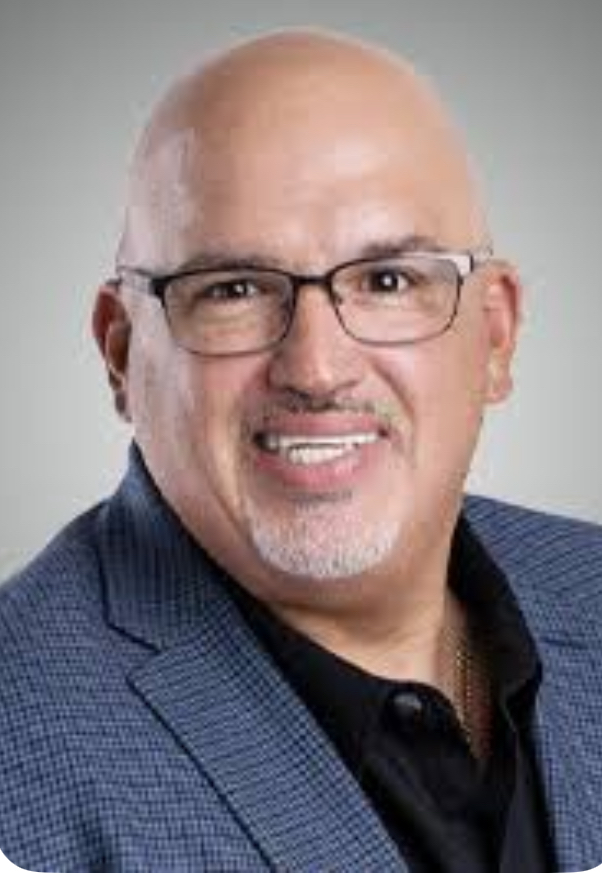
Mike Sanchez
Rate · NMLS #860048
View Full Profile
Ken Melendez
Rate · NMLS #2037924
View Full ProfileA lender can answer the questions that decide your order: can you qualify carrying both homes and for how long, what are the true monthly carrying costs, what down payment would your program require if you keep your current home, and does a bridge loan or a rental-income plan fit your situation. That conversation takes less than an hour and turns the whole decision from guesswork into a plan.
Frequently Asked Questions About Buying First vs. Selling First
Is it better to buy or sell first in Fredericksburg VA?
Neither order is automatically better in Fredericksburg VA. Buying first gives you more time to find the right home and an easier move, but you need to qualify while carrying both homes. Selling first gives you clear proceeds and less carry risk, but you may need a rent-back or temporary housing. In today's market, well-priced local homes typically go under contract in about three to seven weeks, so a sell-first plan can move quickly, while a buy-first plan works when your lender confirms you can carry both payments comfortably.
Can I buy a new construction home before selling my current home in Stafford VA?
Yes, many buyers in Stafford VA purchase new construction before selling their current home. Builders typically estimate a completion window of several months, which gives you time to list and close on your current home. The key is lender qualification while carrying both payments, plus a plan for schedule shifts. A bridge loan, a rent-back agreement, or an interim rental can cover the gap if the builder's timeline moves.
How do I avoid owning two homes in Spotsylvania VA?
You avoid carrying two homes by planning the overlap before you sign anything. Options include a rent-back agreement with the buyer of your current home, an interim rental, or a bridge loan that covers the down payment until your current home sells. In Spotsylvania, homes typically take about four to five weeks to go under contract, so your agent can help you sequence the sale and purchase to minimize double payments.
What is a rent-back agreement and how does it work in Virginia?
A rent-back agreement lets you sell your home first and then rent it from the new buyer for an agreed period, often 30 to 60 days, while you close on your next home or wait for new construction. You pay a per-day rent that is usually escrowed at closing. It is a common, practical way to sell first without a double move, and the exact terms are negotiated into the purchase contract.
How much do I need for a down payment if I keep my current home?
It depends on your loan program and whether you can qualify while carrying your current payment. FHA and many conventional programs start around 3% to 3.5% down, and eligible Virginia buyers can use a VA loan with zero down. When you keep your current home, lenders look at your total debt-to-income ratio and monthly carrying costs, and you may be able to tap current-home equity through a bridge loan or HELOC. A lender can run your exact numbers.
Barbara Jennings, REALTOR, eXp Realty. Virginia Real Estate License #0225179074 · 800 Corporate Dr. Suite 301, Stafford, VA 22554 · (866) 825-7169. Equal Housing Opportunity. We are committed to compliance with all federal, state, and local fair housing laws and do not discriminate against any person because of race, color, religion, sex, national origin, familial status, disability, or any other protected class. Each office is independently owned and operated. Information deemed reliable but not guaranteed. Not responsible for typographical errors. Square footage is approximate and should be independently verified.
Disclaimer: General real estate information only. Financing qualifications, contract terms and transaction timelines vary. Consult the appropriate licensed professionals before making financial or legal decisions.
Your Next Step: A Free Consultation on Your Move's Order
If you are planning a move in Fredericksburg, Stafford, or Spotsylvania and wondering whether to buy first or sell first, the fastest way to get a clear answer is to put your numbers on the table. I offer a free, no-pressure consultation that covers your home's estimated value, what you can expect to net after selling, realistic timelines, and how the buy and sell sides can be sequenced. There is no obligation, just an honest read on where you stand.
Call or text me at (540) 840-1133, or book a consultation online, and we will build a plan that works financially and keeps the moving boxes from taking over your life.